REVIEW · SHYMKENT
From Shymkent: Turkestan and Otrar Day Tour with Guide
Book on GetYourGuide →Operated by Open Central Asia · Bookable on GetYourGuide
Silk Road legends start outside Shymkent. This day tour strings together Otrar ruins with the big, spiritually linked sights of Turkestan, and a good guide really helps the stories click (I’ve seen groups led by guides like Islam and Daulet). I especially like how the route shows two sides of South Kazakhstan: the archaeological drama of Otrar and the architectural power of Ahmed Yasawi’s world.
What I like most is the mix of stop types: quick photo breaks paired with real guided time at each major site. You also get private transport door-to-door, plus a guide who can work in multiple languages, which matters when you’re trying to understand mausoleums, Sufi connections, and what you’re actually looking at.
One thing to consider: it’s a long 9-hour stretch with walking on uneven ground and lots of sun exposure, so come ready with comfortable shoes. It’s also not suitable for wheelchair users.
In This Review
- Key things you’ll notice on this tour
- Why this 9-hour Shymkent tour makes sense
- The drive to Otyrar: how to use the road time
- Otrar ruins: the Silk Road story you can actually see
- Arystan Bab: a Sufi teaching site, not just a stop
- Turkestan’s ethno-village and the Azret-Sultan Museum flow
- Ahmed Yasawi, Rabia Sultan Begim, and the “small” structures that matter
- Visit Center Turkistan and the carpet museum for hands-on culture
- Karavansaray complex: where history meets spectacle
- Kyz Zhibek and Tolegen fountains: end on a cultural performance
- Timing and comfort: making the 9-hour plan feel manageable
- Price and value: is $160 per person worth it?
- Who should book this tour (and who might not love it)
- Quick FAQ
- FAQ
- What’s the total duration of the tour?
- Where does the tour start in Shymkent?
- Is transportation included?
- How far is the drive from Shymkent to the Otyrar area?
- What major sites are included?
- Are entrance fees included?
- What optional activities are available in Turkestan?
- Is water provided?
- What languages is the guide available in?
- Is the tour wheelchair accessible?
- Should you book this tour?
Key things you’ll notice on this tour
- Otrar ruins in context: you’ll see why this place mattered on the Great Silk Road, not just what’s left.
- Arystan Bab’s Sufi connection: the tour ties this stop directly to the Sufi tradition across Otrar, Sairam, and Turkestan (Yasy).
- Ahmed Yasawi’s mausoleum complex: multiple linked structures in one guided flow, including museum time and smaller highlights.
- Underground architecture at Hilvet: an unusual stop that breaks up the usual mausoleum-only rhythm.
- Karavansaray atmosphere + optional extras: you can add the 8D Altyn Samruk experience or gondola time if you want.
- Private van comfort for the distance: Shymkent to the Otyrar area is a long drive, and having transport included saves energy.
Why this 9-hour Shymkent tour makes sense
South Kazakhstan is spread out, and without a driver you’d be spending your day figuring out routes instead of looking at monuments. This tour solves that problem with private transportation all day, so you can concentrate on the sights: Otrar and Turkestan—two of the region’s most important names.
The timing is also realistic. You get enough guided time to understand what you’re seeing, but there’s still breathing room for photos and short breaks. When I look at a day like this, I want two things: clear sequencing and a guide who can explain the symbolism, not just read facts.
You can also read our reviews of more tours and experiences in Shymkent.
The drive to Otyrar: how to use the road time
You’ll meet in the lobby of your Shymkent hotel at 9:00 and then head to the Otyrar district (about 240 km, roughly 3 hours). That’s a big chunk of the day, but the private van makes it easier to stay comfortable and stay on schedule.
A practical tip: bring sun protection and something light but not sleeveless. Even when you’re not walking, the drive and outdoor stops can cook you in this part of the world. The tour includes water (1 liter per person), but I still recommend a cap/hat and sunscreen, especially if you’re prone to sunburn.
Otrar ruins: the Silk Road story you can actually see
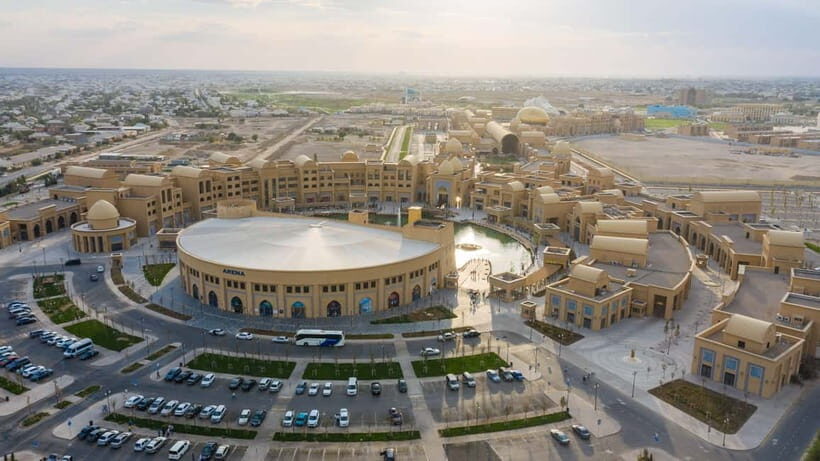
In Otrar, the tour starts with a photo stop and then guided time to help you understand the layout and significance of the settlement. Otrar was once a key Silk Road center, and today you’re working with ruins—so the guide’s role is huge. If you only wander, it’s easy to miss why this place mattered.
Here’s what I think makes Otrar worth your time: it’s archaeology that’s tied to a living narrative. A good guide will help you connect what’s left on the ground to the region’s trade routes and cultural influence, rather than treating it like random broken stones.
Practical drawback: ruins can be uneven and dusty. Wear shoes you trust, not just comfy sandals. If your feet get tired fast, you’ll feel it more here than at the more polished, landscaped sections of Turkestan.
Arystan Bab: a Sufi teaching site, not just a stop
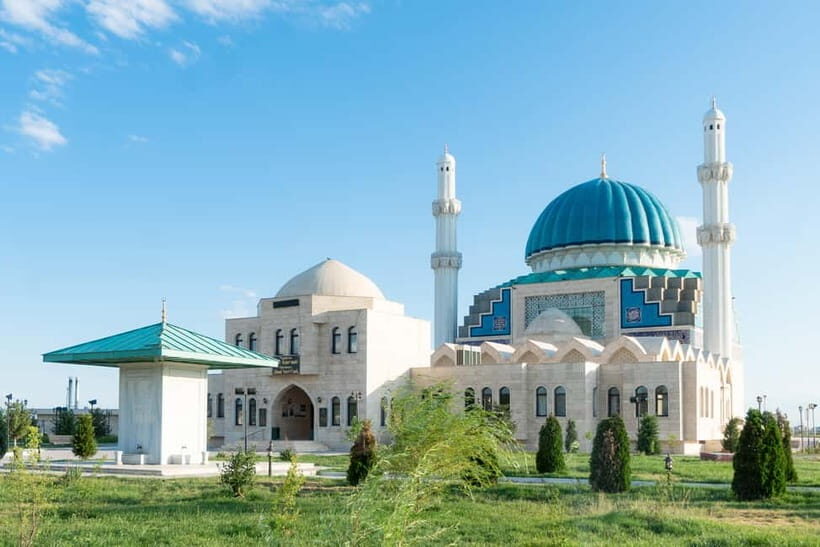
After Otrar, you’ll head to the mausoleum area tied to Khoja Ahmed Yasawi Arystan Baba. This is one of those places where context matters. Arystan Bab is described as a spiritual teacher of the Sufis of Otrar, Sairam, and Turkestan (Yasy), and that connection gives the day a clear theme.
What I like about this part of the route is that it turns the “Silk Road” idea into something more personal. Trade routes carried people, ideas, and religious currents along with goods. When you visit a site connected to Sufi tradition, you’re not just looking at architecture—you’re seeing how belief traveled and took root in different cities.
Turkestan’s ethno-village and the Azret-Sultan Museum flow
Departure to Turkestan is where the day shifts from ruins to a more organized heritage complex. The tour begins with a visit to the ethno-village of the city, which is a useful warm-up if you’re not familiar with local cultural visuals. It helps you set expectations for how the rest of Turkestan will look and feel.
Next comes the Azret-Sultan Museum and then the main mausoleum of H.A. Yasawi. This is where the tour’s pacing matters: the guidance helps you move from one structure to the next without losing the thread.
Two highlights you’ll likely feel in your own body (not just your eyes):
- You get a guided path through multiple linked sites, so you’re not guessing what’s connected.
- You’re learning while you walk, which makes the long day feel less like transit and more like progress.
Ahmed Yasawi, Rabia Sultan Begim, and the “small” structures that matter
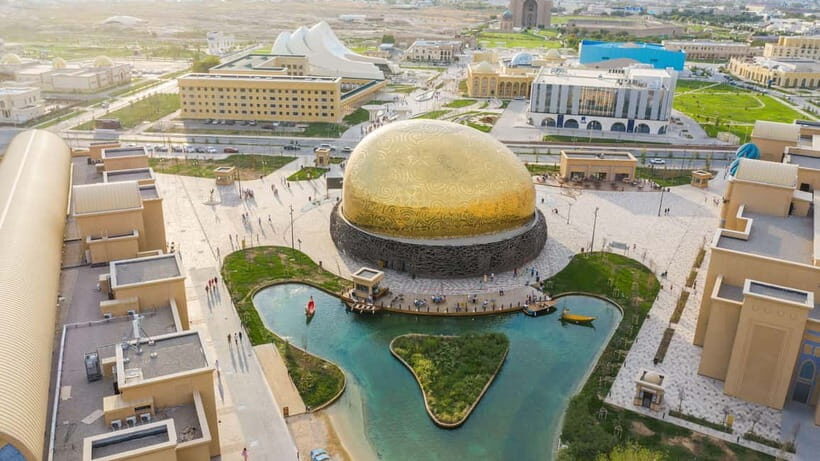
Turkestan isn’t only about one big mausoleum. The route continues to Rabia Sultan Begim’s mausoleum, the eastern bath, and the underground mosque called Hilvet. Those names sound like a list, but when you’re there, they break up the experience in a good way.
Hilvet is the standout type of stop for many people because it’s different from what you may expect—an underground mosque that changes the atmosphere and the way you imagine worship space. The eastern bath is another useful contrast; it reminds you that this complex wasn’t only about tombs. It also reflects daily life and how communities used built spaces.
Then you’ll see the citadel of the fortress wall. Even if you’re not a “fortifications person,” this adds physical weight to the story. You’re looking at how a place defended itself and how the landscape shaped urban planning.
Visit Center Turkistan and the carpet museum for hands-on culture
Before the big tourist complex time, there’s a visit center and the carpet museum. I like this kind of stop because it’s a break from stone and a chance to understand craftsmanship.
If you’ve ever looked at a huge monument and wished you knew the details behind it, a museum stop helps. Here, the carpet museum gives you cultural context you can carry back when you’re standing in front of large architecture and realizing how design language connects art, belief, and local identity.
Karavansaray complex: where history meets spectacle
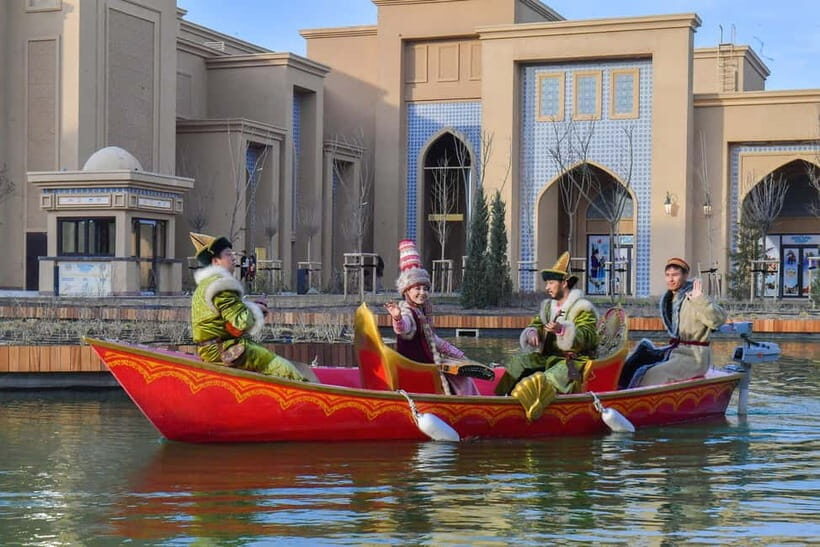
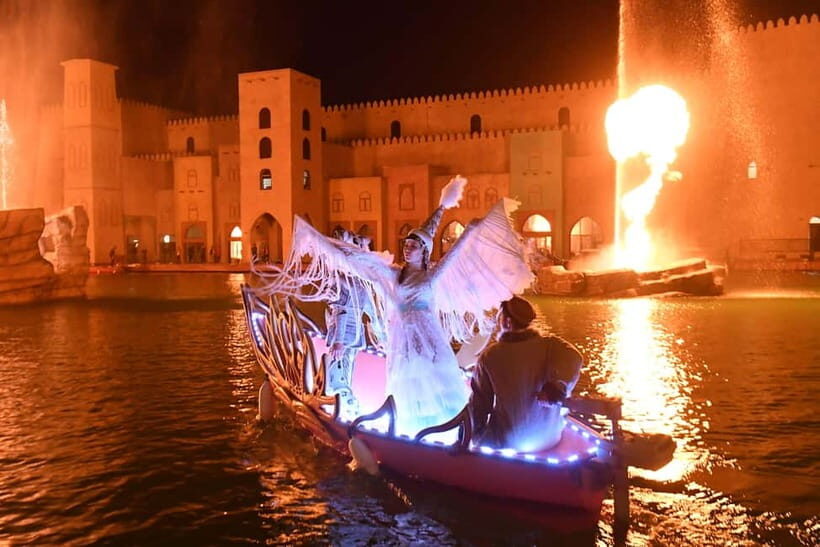
The tour then moves to Karavansaray, described as the largest tourist complex in Central Asia. What makes it interesting is the mood change: the day shifts into a more theatrical, immersive experience. Think of it as Kazakhstan presenting its stories in a bigger, more show-forward way than the bare ruins of Otrar.
From there, you have optional extras:
- The 8D cinema Altyn Samruk, described as a flying theater journey with the mythical bird Samruk through time and space.
- Gondola rides if you want a slower, scenic pause.
- Time for exploring and shopping during the spare time window.
This is also where you can choose your own level of involvement. If you’re more of a monuments person, you can stick to the main complex and keep optional activities light. If you like experiences that use sound, motion, and storytelling, the 8D add-on can be a fun way to refresh your brain before the fountain show.
Kyz Zhibek and Tolegen fountains: end on a cultural performance
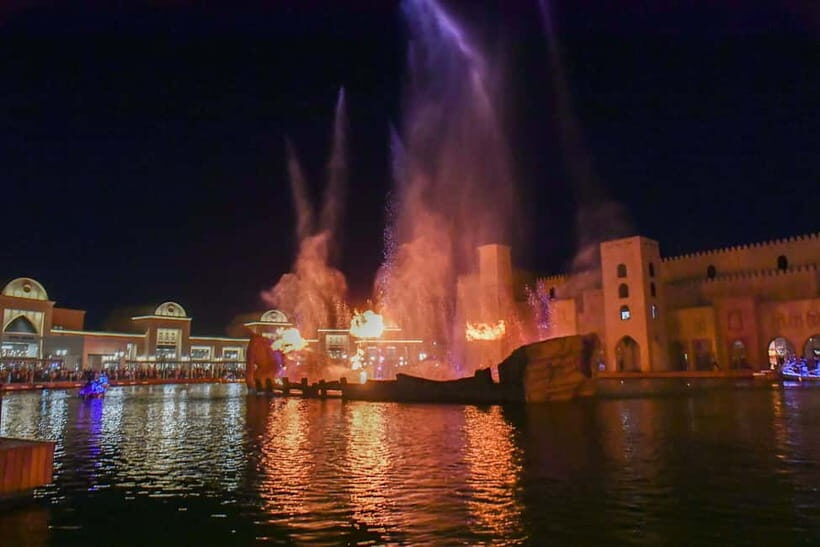
The day closes with time to view the theatrical fountain show of Kyz Zhibek and Tolegen. Even if you don’t know the legend ahead of time, a fountain show like this is a good “release valve” after hours of guided walking and museum focus.
I also like this ending because it gives you a change in pace right before the return journey. By then, you’ve seen ruins, mausoleums, smaller architecture, museums, and a big complex. The show helps the day feel complete, not like you cut off midstream.
Timing and comfort: making the 9-hour plan feel manageable
This is a single-day plan, so your energy management matters. You’ll be on the move most of the day: Shymkent pickup, the long drive, multiple guided stops, and then the return drive (160 km) to Shymkent.
What helps most:
- Comfortable shoes you can walk in for a few hours, not just for short strolls.
- A hat and sunscreen, because you’ll have outdoor photo time.
- A long-sleeved shirt and long pants, both for sun protection and to keep you comfortable at sites where you might spend time standing.
I’d also pay attention to pace. Good guides can adapt the flow for people who move more slowly. In past groups, guides like Daulet have adjusted the tour approach to suit older guests, and that flexibility can make a long day much easier to enjoy.
Price and value: is $160 per person worth it?
At $160 per person, you’re paying for more than sightseeing. You’re paying for:
- Private transportation from Shymkent and back
- Entrance fees to museums/mausoleums and other sights
- A live guide with multilingual options
- Water (1 liter per person)
For me, the value comes from the “all-in” nature. A lot of day trips in large countries fall apart when you start adding separate tickets, taxis, and complicated logistics. Here, you get a structured route with guide context and transport included.
That said, it can feel steep if your main interest is only one monument and you’d rather tour independently. Also, you’ll only enjoy the day fully if you’re comfortable with a long drive plus guided walking and standing. If you love big cultural sites and want someone to translate the meaning, the price tends to feel more fair.
Who should book this tour (and who might not love it)
This tour fits best if you:
- Want a guided day that connects Silk Road locations with Turkestan’s mausoleum tradition
- Like architecture, museum context, and cultural performance in one sweep
- Prefer private transport over public logistics on a long route
- Appreciate a guide who can explain ideas clearly in your language
You might want to skip or reconsider if you:
- Need wheelchair-friendly routes (it’s not suitable for wheelchair users)
- Struggle with long walking and sun exposure
- Want a more relaxed, unstructured day with lots of free time
If you’re in the middle—curious, interested, but not trying to “collect stamps”—this tour is a solid match.
Quick FAQ
FAQ
What’s the total duration of the tour?
The tour runs for 9 hours.
Where does the tour start in Shymkent?
You meet at 9:00 in the lobby of your Shymkent hotel.
Is transportation included?
Yes. Private transport is included throughout the tour, including transfers to and from the sites.
How far is the drive from Shymkent to the Otyrar area?
It’s listed as about 240 km (around 3 hours).
What major sites are included?
You’ll visit Otrar ruins, the mausoleum associated with Khoja Ahmed Yasawi Arystan Baba, and the Turkestan complex including the Azret-Sultan Museum and the mausoleum of H.A. Yasawi, plus several other sites in the area.
Are entrance fees included?
Yes. Entrance fees to museums, mausoleums, and other sights are included.
What optional activities are available in Turkestan?
Options include the 8D cinema Altyn Samruk and gondola rides, plus a fountain show of Kyz Zhibek and Tolegen is part of the schedule.
Is water provided?
Yes, water is provided at 1 liter per person.
What languages is the guide available in?
The live guide can work in Russian, English, Kazakh, Turkish, French, and Spanish.
Is the tour wheelchair accessible?
No, it’s not suitable for wheelchair users.
Should you book this tour?
If you’re trying to make one day count in South Kazakhstan, I’d book it. The day is built for efficient learning: Otrar gives you the Silk Road reality on the ground, and Turkestan delivers the big, guided architecture and spiritual context. With private transport, included entrance fees, and a multilingual guide, you won’t waste energy on logistics.
I’d say go for it if you like guided explanations and don’t mind a full 9-hour day. Skip it if you need highly flexible pacing, wheelchair access, or a lighter, less structured itinerary.