REVIEW · ALMATY
Yurt Based Shymbulak 4-day ski-touring and split-boarding trip
Book on Viator →Operated by Powder Nomads Freeride and Backcountry Trips in Kazakhstan · Bookable on Viator
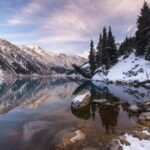
Ski tracks on real glacier slopes, with a yurt waiting. This Shymbulak backcountry camp trip mixes high-altitude touring to about 4100 m, heated yurt comfort, and serious powder days around the Tien Shan—plus Kazakh meals and star-filled nights. I especially love how the itinerary balances hard altitude work with simpler recovery time in a heated lodge. The other win: you get guided touring with short avalanche safety training, so you’re not guessing in big terrain. One consideration: this is not a beginner off-piste outing—you need confident piste control and real backcountry experience before you go.
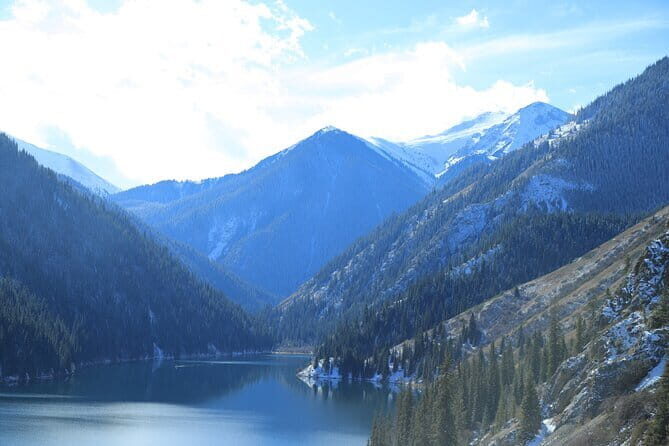
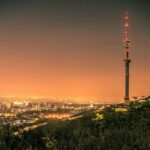
You’ll start in the Almaty area, ride up to Shymbulak, and then sleep in the yurt camp near the Talgar Pass area at 3163 m. The views over Almaty and the surrounding glaciers are the kind that make you slow down and look twice. The pace is also early and physical (multiple mornings start before sunrise), so you’ll want to come fit and ready to ski or split-board for hours.
In This Review
- Key highlights you’ll care about
- First Lift Up: Medeo Gorge to Shymbulak start
- Talgar Pass Yurt Base: Heated sleeping, real bathroom setup
- Acclimatization to Baiseitova (3450 m) and short avalanche training
- Sidecountry near Shymbulak: choosing powder in the 3200–3800 m zone
- Glacier days: Bogdanovich to Karlytau and the 4000 m targets
- Bogdanovich Glacier to Karlytau (3200–4100 m)
- Another Bogdanovich run toward Fizkul’turnik / Til’ / Pioneer
- Down to Medeu, back to Almaty: what the finish feels like
- Price and logistics: is $1,100 actually good value?
- What you’re paying for (included)
- What costs extra (and how to plan)
- Who this trip suits (and who should think twice)
- Safety and the guide team behind the scenes
- Should you book? My call
- FAQ
- What city does this trip start from?
- What time does the trip begin?
- How long is the tour?
- How many nights do I sleep in the yurt?
- What altitude is the yurt camp located at?
- Do I need off-piste experience?
- Is the yurt heated?
- Is there a shower or sauna?
- What meals and drinks are included?
- What ski or safety gear is included?
- What happens if weather cancels the trip?
Key highlights you’ll care about
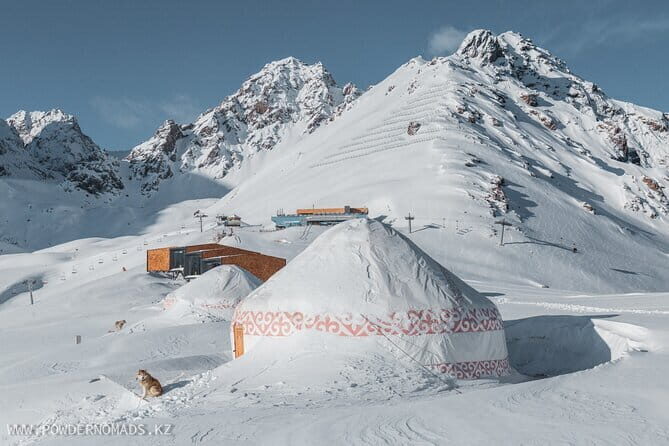
- Heated yurt lodging with floor sleeping bags and electricity, so recovery feels possible at altitude
- Guided ski touring around Shymbulak, with sidecountry terrain choices based on snow and your level
- Acclimatization hike to Baiseitova Peak (3450 m) plus a short avalanche safety session
- Glacier days near 3200–4100 m, including Bogdanovich Glacier lines and peaks like Karlytau
- Daily lift passes at Shymbulak plus private transport from central Almaty
- Kazakh-style dinners and a real restaurant setup near the yurt (not just “survive on snacks”)
First Lift Up: Medeo Gorge to Shymbulak start
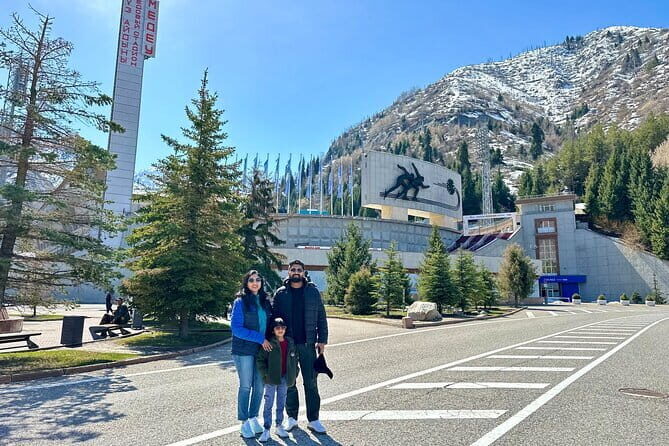
Your day starts with a drive through one of Almaty’s most famous mountain gateways: Medeo Gorge (1690 m). It’s known for the giant skating rink and the dam built to protect the city from mudflows. That dam detail matters more than it sounds—because the whole area lives with the logic of mountains: water, snow, and slope safety.
From there, you head up to Shymbulak Resort, which sits at 2260 m in the Small Almaty gorge of the Trans-Ili Alatau mountains. Shymbulak has a deep skiing tradition dating back to the Soviet era, with Soviet training and competitions happening on its slopes. For you, the practical value is simpler: this is a real ski base where your day starts with familiar infrastructure, then transitions into the wilder stuff.
You’ll also feel the altitude shift quickly. Even on the lift-access side, you’re already breathing a little differently. It’s not just scenery—the elevation changes how your legs feel when you begin the touring days.
A few more Almaty tours and experiences worth a look

Talgar Pass Yurt Base: Heated sleeping, real bathroom setup
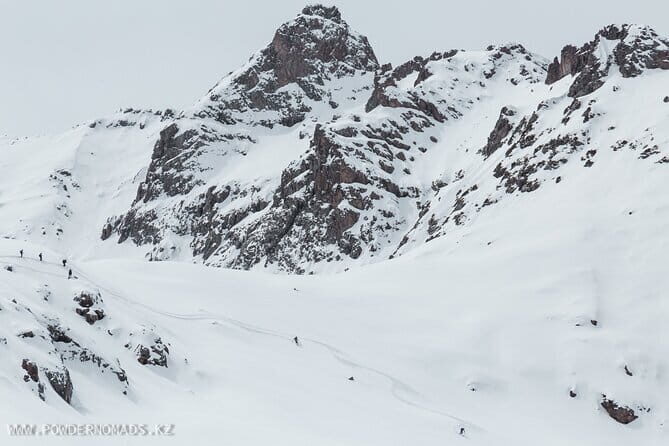
The core of the trip is sleeping in the Shymbulak yurt backcountry camp around Talgar Pass at 3163 m. You go up by cable car, check in, and settle into a traditional yurt where your sleeping space is arranged on the floor in sleeping bags. Pillows and mats are provided, and the whole yurt (including the floor) is heated—this is a big deal when temperatures drop and you want your body to actually recover.
There are also electricity and outlets, which helps with phones, power banks, or anything you rely on. You’ll eat in a separate yurt-restaurant nearby, not inside your sleeping space. That means you’re not trying to cook, organize, or freeze mid-meal.
Bathrooms are basic but workable: there’s a separate bathroom near the restaurant with hot water for washing and a toilet seat. The trip doesn’t offer a shower or sauna. Instead, you’ll have wet wipes and snow for washing; if someone is really struggling, it may be possible to boil water and wash from a bucket. If you’re coming from a more hotel-style mindset, adjust expectations now—then you’ll enjoy it more, because it feels like mountain camping, not a spa.
For “value,” this is where your money goes. You’re paying for the most expensive part of backcountry travel—getting comfortable lodging at altitude—while still doing real touring.
Acclimatization to Baiseitova (3450 m) and short avalanche training
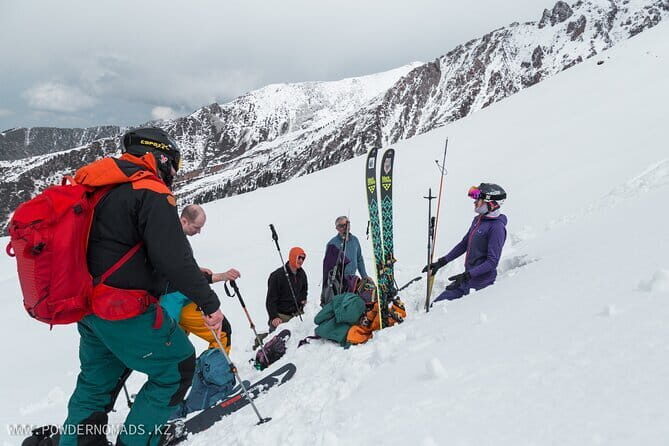
One of the smartest parts of the schedule is the acclimatization hike to Baiseitova Peak (3450 m). After you arrive at the yurt base, you don’t go straight into your biggest day. You hike, come back, and then get ready for the days when you’ll be operating higher and skiing in more complex snow.
Why this helps you: higher touring days punish sloppy pacing. By doing a controlled hike first, you train your breathing, warm your muscles, and get a better sense of how your timing and effort feel at altitude.
That same day also includes short avalanche safety training. The trip isn’t positioned as an all-week avalanche course, but it does give you the essential foundation you need before you’re out in bigger terrain. You can also use this training time to ask your guide about local habits—what they watch for, how they plan routes, and what they’d change if conditions shift.
Evenings follow a simple pattern: return to the yurt area, eat dinner in the yurt-restaurant, then rest. At altitude, “rest” is not optional. It’s how you earn better skiing the next morning.
Sidecountry near Shymbulak: choosing powder in the 3200–3800 m zone

After breakfast in the yurt-restaurant, you go ski-touring or split-boarding close to Shymbulak with a sidecountry feel. This isn’t just lift-access skiing. You’ll be working in elevations roughly 3200–3800 m, and the plan is adjusted depending on snow, weather, and your group’s level.
You’ll also hear specific spot names used for navigation and terrain selection—places like Shkol’nik, Edelweiss, Chkalov, and Abay peaks. Having named zones matters because it usually signals the area is familiar to the guide team, and you’re not just wandering into random bowls.
What I like about a day structured like this: it’s a bridge. You’re still close enough to Shymbulak to keep logistics manageable, but you’re already earning your turns and building backcountry momentum. If you’re used to doing everything from the resort, this is where you learn how touring tempo feels—less about speed, more about flow.
Expect a mix of uphill effort and rewarding descent. If snow is soft (and the region is known for powder days), you’ll get that classic payoff: you earn height, then your tracks get to shine.
Glacier days: Bogdanovich to Karlytau and the 4000 m targets
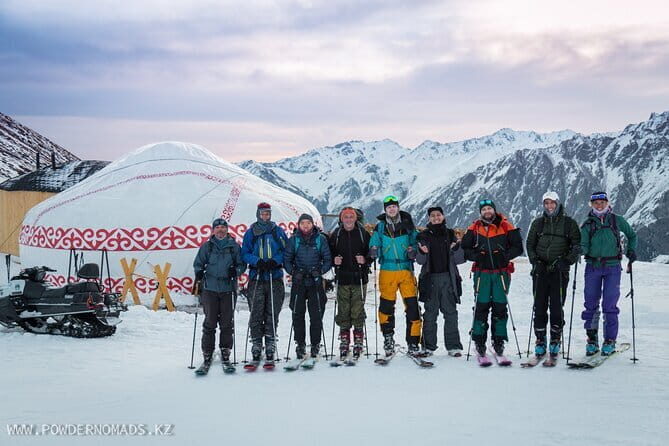
The trip’s “main event” is when you go from easy-to-manage terrain into true high-mountain touring. Your schedule builds toward it with two glacier days.
A few more Almaty tours and experiences worth a look
Bogdanovich Glacier to Karlytau (3200–4100 m)
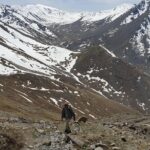
One morning starts at 05:00. You ski-touring or split-board around Bogdanovich Glacier all the way toward Karlytau peak. The elevation range is 3200–4100 m, and the ride is listed at 6–8 hours.
This is where your legs get tested. At this height, the air is thinner and the uphill can feel longer than the clock says. If you’re doing split-boarding, you’ll also be managing pacing through transitions. If you’re on skis, watch your energy early—this is the kind of day where saving effort for the descent pays off.
The payoff is big: you’re in glacier country with wide views and big snow lines. Just remember that long days at altitude also change how you read snowpack. That’s why having guide planning matters.
Another Bogdanovich run toward Fizkul’turnik / Til’ / Pioneer
A later morning starts at 06:00. You’ll ski-tour again around Bogdanovich Glacier, heading toward Fizkul’turnik, Til’, or Pioneer glaciers. Elevations are roughly 3200–4000 m, with a 4–6 hour duration.
Compared with Karlytau, this day might feel shorter—but 4 hours in cold high terrain can still be a full day. You’ll want your base layers, gloves, and goggles dialed, because “almost there” at 3900–4000 m can still be cold enough to sap energy.
At the end of the tour, you return to the yurt, pack up, and head down.
Down to Medeu, back to Almaty: what the finish feels like
On your last day, you’ll do breakfast early (listed at 06:00 on one of the final mornings), then ski or split-board in the high glacier surroundings. After touring, you pack, check out, and then descend to Medeu.
From Medeu, you get transfer back to your hotel in Almaty, and the activity ends back at the meeting point area. That return matters. A lot of backcountry trips treat the descent like an afterthought. Here, the route keeps things structured enough that you’re not fighting logistics with sore legs.
Also, the dining rhythm helps the day end well: the itinerary notes Kazakh national style dinner on one of the later evenings. Eating something that feels local—after multiple glacier days—lands differently than meal-kit fatigue.
Price and logistics: is $1,100 actually good value?
The price is $1,100 per person, and the trip is private, so it’s designed for your group only. At this cost, you should check what’s included vs what you need to add yourself.
What you’re paying for (included)
You get:
- Private transportation (pickup-focused start in central Almaty)
- 3 nights in the Shymbulak yurt camp and yurt-restaurant setup
- Daily ski passes at Shymbulak for 4 days
- Guide services and route planning for ski touring/split-boarding
- Drinking water
- Breakfast and dinner each day
That combination is where the value sits. Lots of “backcountry” packages either skimp on lodging comfort or don’t include the lift access you need to start/finish smoothly. Here, you’re not left to handle passes on your own.
What costs extra (and how to plan)
Not included:
- Lunch
- Alcoholic beverages
- Snacks
- Insurance
- Rental of avalanche safety and ski-touring gear
If you’re missing avalanche safety equipment (and gear rental equipment), you’ll need to budget ahead of time. Same with lunch and snacks—you’ll want a plan for fueling so you don’t end up under-eating on long uphill days.
So, is $1,100 fair? If you’re already set up with gear, and you value guided high-altitude days plus heated lodging and meals, it can be excellent value. If you need gear rentals and you’re not prepared for extra food costs, the total spend rises quickly.
Who this trip suits (and who should think twice)
This trip is aimed at fit skiers and snowboarders with off-piste experience and confident riding on piste. That’s the key filter. If you’re comfortable only on groomers, you’ll likely find the altitude, terrain, and pace too demanding.
You’ll also want a moderate fitness base. The itinerary includes long sessions and high-elevation hiking, plus early mornings. Even if your skiing is strong, you still need stamina and cold-weather resilience.
Best fit:
- You ski or ride off-piste confidently
- You’ve done backcountry touring or split-boarding before (or you have strong experience with uphill/downhill logistics)
- You want a guided, safety-minded trip with local meals and a real yurt base
If that’s not you yet, consider building skills first. In mountains like this, confidence is safer than bravado.
Safety and the guide team behind the scenes
There’s a reason this trip repeatedly emphasizes safety and training. It involves high altitude and glacier terrain, with elevations reaching roughly 4000+ m. You do get a short avalanche safety lesson, and the guides manage route selection based on conditions and your skill level.
One thing I appreciate from the experiences shared about this operator is how much effort the guide team puts into making the trip run smoothly. In feedback, guide names Sasha and Igor come up as people who helped everything click from arrival onward—especially when travel hiccups happened. That kind of practical support matters when you’re dealing with cold-weather gear and tight schedules.
Also, the tone is professional but not stiff. Some feedback notes powder-focused instruction and a good attitude around teaching. That’s useful: in backcountry terrain, technique changes (stance, speed control, turn shape). A guide who can adjust coaching to your style can make your day safer and more fun.
Should you book? My call
I’d book this if you want a true yurt-based backcountry experience with heated comfort, real glacier terrain, and guided touring that fits people who already know how to handle off-piste. It’s also a good choice if you want a structured altitude plan—hike first, then tour—so you’re not throwing yourself into big lines with fresh legs.
I would not book it if you’re new to off-piste skiing, new to avalanche gear and touring basics, or you hate early starts. The mountains don’t care about your schedule, and the itinerary starts mornings early for a reason.
If your goal is soft snow, glacier views, and the kind of trip where the yurt feels like a reward instead of a compromise, this is a strong option.
FAQ
What city does this trip start from?
It starts in Almaty, Kazakhstan, with pickup offered and a meeting point at Ritz Palace (Al-Farabi Avenue 1, ул. Достык, Almaty 050000).
What time does the trip begin?
The start time is 8:00 am.
How long is the tour?
It runs about 3 days 18 hours (approx.).
How many nights do I sleep in the yurt?
You’ll stay 3 nights at the Shymbulak yurt base camp and restaurant.
What altitude is the yurt camp located at?
The yurt backcountry camp is at about 3163 meters.
Do I need off-piste experience?
Yes. The trip is suitable for fit skiers and snowboarders with off-piste experience and confident riding on piste.
Is the yurt heated?
Yes. The whole yurt and the floor are heated, and the yurt has electricity and outlets.
Is there a shower or sauna?
No. There is no shower or sauna. You’ll use wet wipes and snow; washing with hot water from a bucket may be possible.
What meals and drinks are included?
You get breakfast and dinner, plus drinking water. Lunch and snacks are not included.
What ski or safety gear is included?
Skiing guide services are included, but rental of avalanche safety and ski-touring gear is not included. Insurance is also not included.
What happens if weather cancels the trip?
If it’s canceled due to poor weather, you’ll be offered a different date or a full refund.
If you want, tell me if you’re skiing or split-boarding and your rough experience level. I can help you sanity-check whether this timing and altitude are a good match for you.