REVIEW · ALMATY CITY
Almaty: Nomadic Lifestyle Experience at Huns Ethno Village
Book on GetYourGuide →Operated by Hello,Kazakhstan! · Bookable on GetYourGuide
Nomads, horses, and kumis, all in four hours. I like how the horse-riding tricks show turns culture into something you can actually feel, and I also like the honest, hands-on chance to sip kumis. Add yurts, archers, cooking, and crafts in a mountain setting, and this half-day feels like a full story.
I’ll flag one caution: the experience runs on a set schedule of activities, so you may not get deep guiding at every single stop. If you’re hoping for nonstop narration, ask early who will guide you through the program; in past pickups I’ve seen smooth English support from drivers like Yernar and Nooran, and a more personal, group-sticking style from Nurlan or Amina.
In This Review
- Quick hits before you go
- Getting to Huns Ethno Village from Almaty without stress
- Entering the Hunns ethno village: a performance-led culture day
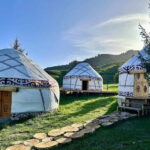
- Yurts in real life: how you understand the tent instead of just seeing it
- Horse-riding tricks and amateur rides: the main event
- Archers and hands-on skills: why the pacing works
- Crafts and cooking: learn the making, not just the story
- Kumis and lunch: what’s included and what to expect
- Price and value: is $116 worth it for a half-day?
- Practical tips that actually help on the day
- Should you book the Huns ethno village experience?
- FAQ
- How long is the Huns ethno village experience?
- Where does pickup happen?
- What’s included in the price?
- Is alcohol included?
- What language is the driver?
- What activities are included at the village?
- Do I get to try kumis?
- What should I bring for the day?
- Is the tour suitable for everyone?
- Can I cancel or change plans?
Quick hits before you go
- Horse acrobatics plus amateur riding: watch the pros, then try your own mounted moment
- Kumis experience: horse-milk drink is part of the program, not an optional side quest
- Yurt learning: you’ll get time to understand how these traditional tents work
- Archers show: a separate performance that keeps the pace moving
- Hands-on crafts and cooking: you’re not just watching; you’re making and tasting
- Almaty hotel pickup: English-speaking driver with a name sign, plus lunch included
Getting to Huns Ethno Village from Almaty without stress
This is built as an easy half-day outing. You start with hotel pick up in Almaty, and the driver will hold a sign with your last name. Plan to be ready about 10 minutes early in the lobby so you’re not rushed.
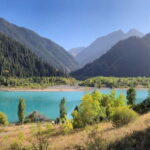
Once you’re in the car, you’ll head to Talgar District, where the ethno village sits in a mountainous region. The ride matters here. It sets the tone: you’re not just visiting a themed site, you’re arriving where nomadic life originally made sense—open terrain, cold seasons, and the need for fast outdoor skills.
The total time on the clock is 4 hours, with about 3 hours at the village. That timing is one reason this tour works well for short trips to Almaty: you get a cultural hit without losing your whole day.
You can also read our reviews of more tours and experiences in Almaty City.

Entering the Hunns ethno village: a performance-led culture day
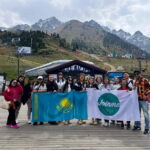
When you arrive, the village experience moves like a show with stops. Locals in traditional clothing demonstrate customs, and you’re invited to participate in the fun parts. It’s not a quiet museum stroll; it’s active, social, and designed to keep you moving.
The program includes a traditional-customs performance early on, then flips into equestrian excitement. After that, you’ll shift into learning modes—yurts, archers, crafts, and cooking—before the meal and tastings bring it home.
In terms of atmosphere, I like that the focus stays practical. You don’t just hear about how people lived; you see it in actions: how a yurt is explained, how archery is performed as a skill, and how certain foods are prepared. If you’re the type who gets bored with long speeches, this format fits.
Yurts in real life: how you understand the tent instead of just seeing it
One of the best parts is the time spent learning about yurts. A lot of cultural tours point at a yurt and call it done. Here, you get guidance on what you’re looking at, so the tent stops being a prop and starts being a system.
Even if you’re not an architecture person, yurts make sense fast once someone explains the logic: portable shelter, practical layout, and materials suited to shifting outdoor life. This is the kind of learning that sticks because you’re physically near the structure and then see it folded into the rest of the program.
If you want photos, this is a good moment to slow down. Yurt exteriors and interiors tend to create better images when you’re not constantly rushing between performances.
Horse-riding tricks and amateur rides: the main event
Let’s talk horses, because this is where the tour earns its reputation. You’ll attend a professional horse-riding tricks show first. The riders handle speed, balance, and coordination in a way that feels more like sport than reenactment.
Then comes the practical part: amateur horseback riding. This is not the same thing as a guided trekking ride through countryside. It’s structured, but it still gives you the experience of being on a horse rather than simply watching from the ground.
A couple of realities to keep in mind:
- It’s outdoors and physically active, so your comfort depends on warm layers and sturdy shoes.
- You’re sharing time with other participants, so there can be a bit of waiting between segments.
From the service side, you’re likely to be well managed. I’ve seen accounts of drivers like Yernar staying responsive and communicative, even using WhatsApp in some cases. Nurlan has also been described as staying with the group through the day, helping with activities and even acting as a cameraman, which matters when you want photos without missing instructions.
Archers and hands-on skills: why the pacing works
The archers show adds a second skill performance after the equestrian highlight. That keeps the tour from turning into one long horse theme. It also gives you another way to understand nomadic competence: accuracy, timing, and control outdoors.
After watching, the day doesn’t just end. There’s room for participation in other activities, including games and skill-style tasks, plus the chance to make crafts. The pacing helps because you’re not stuck for hours in a single arena. You move between stations, and each one adds a different piece to the cultural picture.
If you’re sensitive to crowds, you should know this is popular enough that there can be many people on-site at once. That doesn’t ruin the day, but it does explain why someone might feel they didn’t get a dedicated guide at every moment. If you want a more personal explanation, ask questions while you’re at each station.
Crafts and cooking: learn the making, not just the story
This tour includes crafts and basic cooking. You’ll learn how to make local crafts, and you’ll also cook basic national dishes as part of the program. That’s valuable because it turns culture into something you can repeat at home: a simple process, a technique, a taste.
You don’t need to be artistically gifted. The goal is participation and cultural context, not turning you into a craft expert in four hours.
Cooking time is especially useful if you travel with kids or you prefer practical experiences. It gives you a break from performances, and it’s also a shared activity—your table or group becomes part of the fun.
When it comes to food, the program includes a meal at the end. You’ll taste what’s being served as part of the authentic lunch.
Kumis and lunch: what’s included and what to expect
You’ll drink kumis, which is horse milk, as part of the experience. Whether you love it or just try it, it’s one of the clearest cultural moments on the schedule. If you’re curious but cautious, approach it like a tasting. Think small, breathe, and take your time.
Lunch is included, along with a bottle of water. That’s a practical win. Outdoor activities can run you dry quickly, and it’s easier when you’re not doing your own hunt for food mid-program.
One more tip: eat when they cue you. This tour runs on a set sequence of demonstrations and activities, and skipping ahead can leave you out of step with the group flow.
Price and value: is $116 worth it for a half-day?
At $116 per person, you’re paying for a lot of guided structure in a short window. The value isn’t just the entry fee. It’s the combo: pickup and drop-off, village access, lunch, and a program that includes multiple performances plus hands-on crafts and cooking.
This is also the kind of tour where the time crunch is part of the price. You only have 4 hours total, so you’re buying efficiency: you get equestrian spectacle, archery performance, skill demonstrations, and cultural food moments without planning a half-day or full day on your own.
Is it overpriced? Only if you’re expecting a slow-paced, museum-style lesson with constant, deep storytelling. The experience is more like a cultural activity circuit. If that matches your style—hands-on, fast, memorable—then $116 starts to make sense.
Practical tips that actually help on the day
This tour is simple on paper, but your comfort will make or break it. Bring warm clothing and warm shoes. Even if Almaty feels mild that day, the mountainous area and time outdoors can cool you fast.
Also consider your health situation. The tour is not suitable for people with epilepsy or people with high blood pressure. That isn’t just paperwork—it reflects the reality of active performances and a busy environment.
For photography, this is an easy tour to shoot because you’ll have clear stages: horses, archers, yurts, and craft/cooking moments. Just don’t treat every station like a photoshoot marathon. Keep moving so you don’t miss the instructions and timing.
Finally, manage expectations about guidance. Some experiences feel tightly coordinated around a driver who stays with you and helps you participate. Others feel more pickup/drop-off with you following activity flow. If you care about explanation, ask your driver early to point out where you should get context, and speak up if you want more details.
Should you book the Huns ethno village experience?
If you want a half-day culture fix with a strong “active” focus—horses, archers, crafts, cooking, and the chance to sip kumis—this is an easy yes. It’s especially good if you don’t have time to plan a long rural outing from Almaty.
Book if you’re the type who learns by doing. This tour hands you multiple ways to participate, not just watch.
Skip or choose another option if you want calm pacing, constant narration, or you’re not comfortable with outdoor, physical activities. And if your health situation falls into the tour’s non-suitable categories, you’ll be happier looking for something gentler.
FAQ
How long is the Huns ethno village experience?
The tour lasts 4 hours total, with about 3 hours spent visiting the ethno village.
Where does pickup happen?
Pickup is from your hotel in Almaty. The driver will meet you in the hotel lobby about 10 minutes before the scheduled pickup time and will be holding a sign with your last name.
What’s included in the price?
It includes hotel pick up and drop-off, entry tickets to the ethno village, lunch, and a bottle of water.
Is alcohol included?
No. Alcohol is not included.
What language is the driver?
The driver provides English support.
What activities are included at the village?
The program includes a traditional-customs performance, a professional horse-riding tricks show, learning about yurts, an archers show, amateur horseback riding, learning local crafts, cooking basic national dishes, and drinking kumis.
Do I get to try kumis?
Yes. Drinking kumis (horse milk) is part of the activities included in the tour.
What should I bring for the day?
Bring warm clothing and warm shoes since the village is in a mountainous region and activities are outdoors.
Is the tour suitable for everyone?
The tour is not suitable for people with epilepsy or people with high blood pressure.
Can I cancel or change plans?
Cancellation is free up to 24 hours in advance for a full refund, and you can reserve now and pay later to keep your plans flexible.