REVIEW · ALMATY CITY
Tanbaly Gorge: Ancient Petroglyphs UNESCO Site Day Tour
Book on GetYourGuide →Operated by NEOmad · Bookable on GetYourGuide
Petroglyphs that look newly carved exist here. At Tanbaly Gorge UNESCO site in Kazakhstan, you can study Bronze Age petroglyphs and burial mounds in open air, with the UNESCO museum-reserve setting your route. I love how tightly packed the carvings are in the central canyon, and I like that the guide connects what you see to husbandry, social life, and rituals of pastoral peoples. The only catch is you’ll spend much of the day on the road, then walk about 2 km with some hiking between engraving areas.
This is a private group day trip with an English-speaking live guide, entrance tickets, and bottled water included. You also get an air-conditioned vehicle and careful driving on the roughly 2.5-hour one-way transfer, which matters because you’ll want your energy for the site itself.
In This Review
- Key highlights at a glance
- Why Tanbaly Gorge feels different than a quick sightseeing stop
- Getting There from Almaty: expect a long, steady ride
- The museum-reserve arrival: what you’re stepping into
- The guided route and the 3-hour on-site focus
- Walking the site: 2 km isn’t huge, but it takes focus
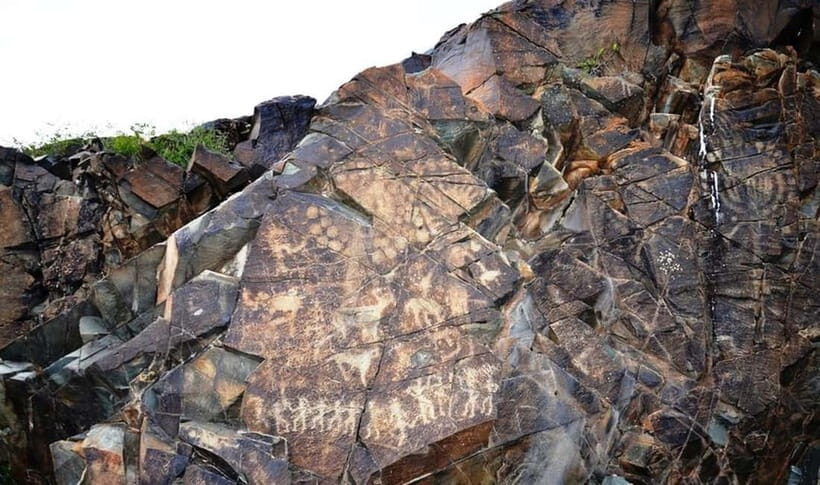
- The central canyon: where the carvings get intensely concentrated
- Altars, burial mounds, and pastoral ritual clues
- Guides who can actually explain what you see
- Price and value: what $146 buys you for a remote UNESCO site
- What to bring (and what to skip)
- Who this Tanbaly Gorge tour is best for
- Should you book Tanbaly Gorge?
- FAQ
- How long is the Tanbaly Gorge UNESCO petroglyphs day tour?
- What is included in the price?
- Are meals included?
- How much walking is involved?
- Is the tour available in English?
- Is the tour refundable if I cancel?
Key highlights at a glance
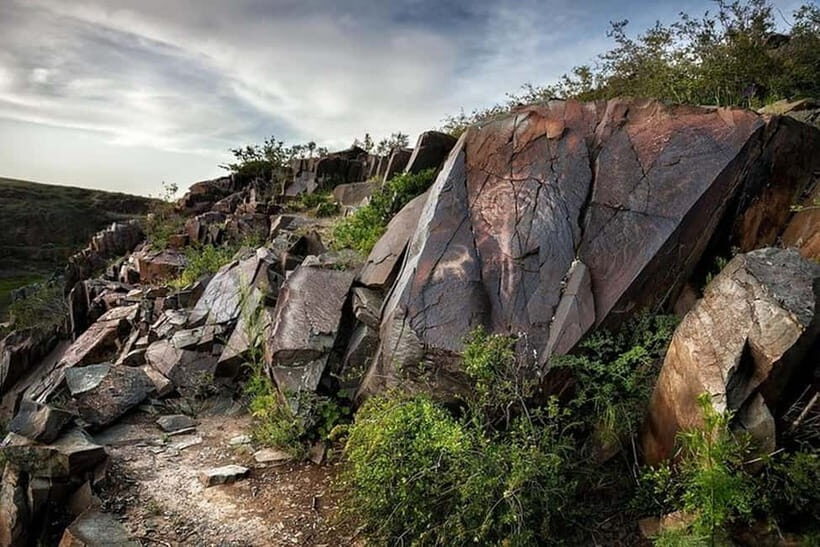
- Dense petroglyph concentration in the central canyon, including areas believed to be altars
- Very long timeline, from XIV–XIII BC through the 18th century AD
- Museum-reserve approach, with multiple complexes, settlements, and burial grounds
- English guide + on-site specialist support, with clear explanations you can follow
- Remote, low-crowd feel, so you can take your time with the carvings
- About 2 km walking, on uneven ground, so comfortable shoes are a must
Why Tanbaly Gorge feels different than a quick sightseeing stop
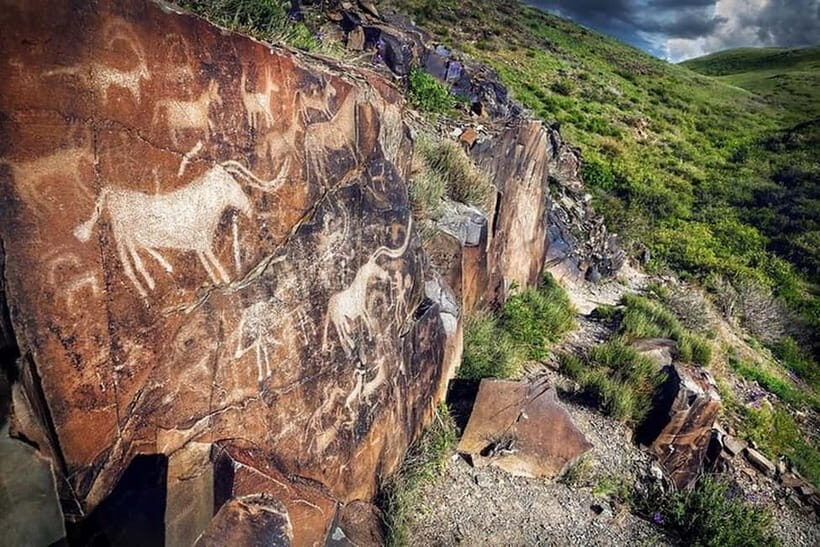
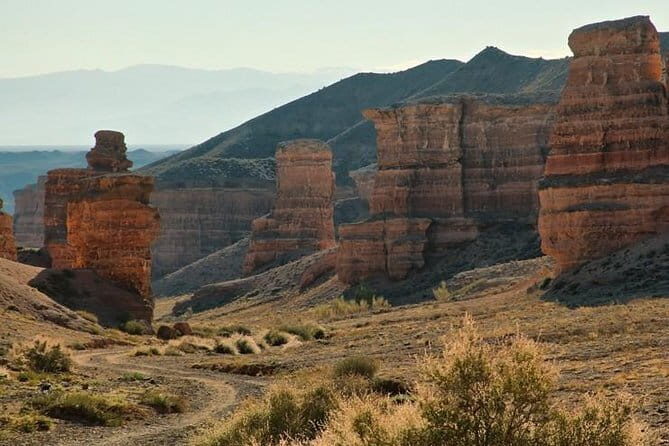
Tanbaly Gorge is the kind of place where time feels slow. The petroglyphs aren’t behind glass, and that’s the point. You’re looking at carvings that have survived wind, weather, and centuries in an open-air archaeological complex across the Chu-Ili mountains area.
What I really like is the density. Many petroglyph sites are scattered. Here, the concentration is high enough that you keep noticing new figures and patterns as you move through the canyon. Another strong point is the way the route is built around meaning, not just photos. You’re not only shown rocks. You’re guided through how pastoral communities may have used these spaces for rituals and offerings.
The other consideration is simple: it’s a full day. With a long one-way drive, you’re trading comfort and rest for a genuine out-of-town UNESCO experience.
You can also read our reviews of more tours and experiences in Almaty City.

Getting There from Almaty: expect a long, steady ride
The tour starts with morning pickup from Almaty and heads out to the Tanbaly Gorge area, with driving time about 2.5 hours each way. That’s the biggest logistics piece to understand up front. This isn’t a local half-day excursion.
The upside is the ride is handled for you. You’ll travel in an air-conditioned vehicle with bottled water provided, so the trip feels practical rather than stressful. And because the group is private, your schedule tends to move at a human pace instead of being chopped up by lots of people.
A small tip: plan to keep your day backpack light. You’re going to walk on-site later, and you’ll have less patience for carrying extra things once you’re off the bus.
The museum-reserve arrival: what you’re stepping into
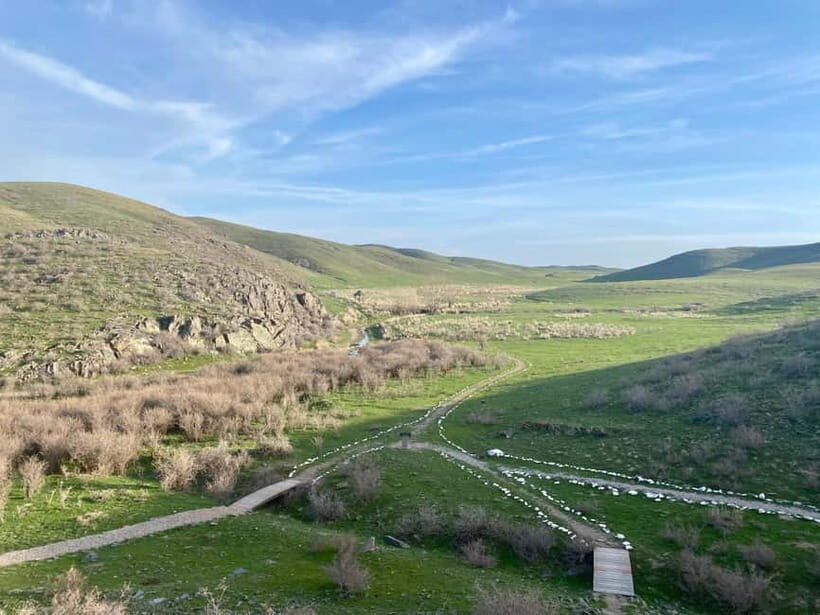
When you arrive, you don’t just wander. You enter the museum-reserve, an archaeological complex designed to help visitors understand the site as a whole.
This matters because Tanbaly Gorge isn’t one single rock panel. It’s distributed across multiple complexes linked to settlements and burial grounds. The carvings you’ll see date roughly from XIV–XIII BC up to the 18th century AD, which gives the site a rare “long conversation” feeling—different eras adding their marks on the same general region.
At the start, you get a guided overview of the types of images and what they may reflect. The tour frames the engravings as evidence of pastoral life: husbandry, social organization, and ritual practice. Even if you’re not a specialist, this context helps your eyes do more than collect shapes.
The guided route and the 3-hour on-site focus
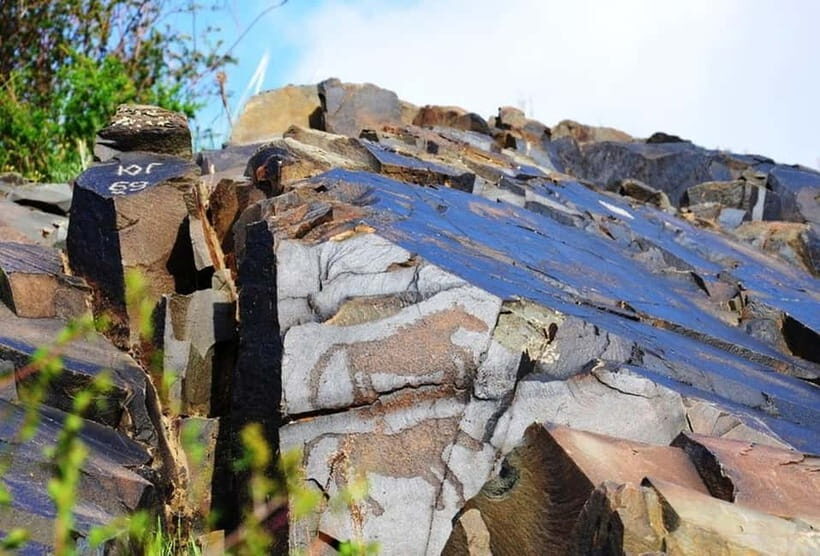
The guided part on site runs about 3 hours. That’s a good amount of time for a UNESCO petroglyph reserve, because it allows you to slow down where the carvings are strongest and to ask questions instead of rushing through checkpoints.
In practice, you’ll move between different engraving areas within the museum-reserve framework. The tour route is structured to help you understand what’s where—central canyon areas, plus other related complexes connected to settlements and burial grounds.
I also like that you’re not stuck with only one generic explanation. On-site, you’ll meet a specialist guide for the area, which turns the visit from “watch someone point” into “actually learn what the site represents.” English interpretation is part of the experience, and the guides are clearly prepared for questions.
Walking the site: 2 km isn’t huge, but it takes focus
The tour includes around 2 km of walking and some hiking between petroglyph spots. The distance sounds modest, but don’t let that fool you. It’s outdoors, and you’ll be navigating ground while also trying to look carefully at the carvings.
This is where comfortable shoes do real work. You don’t want your feet distracting you when you’re trying to track fine lines or compare figures across panels. The tour provides bottled water, but you should still pace yourself. Take breaks when the guide pauses, and don’t rush your view.
If you’re planning your fitness level: the experience isn’t suitable for people with mobility impairments, wheelchair users, people over 75, or anyone with low fitness. That’s not “fine print.” It’s the difference between enjoying the carvings and counting the minutes until you’re back on the vehicle.



The central canyon: where the carvings get intensely concentrated
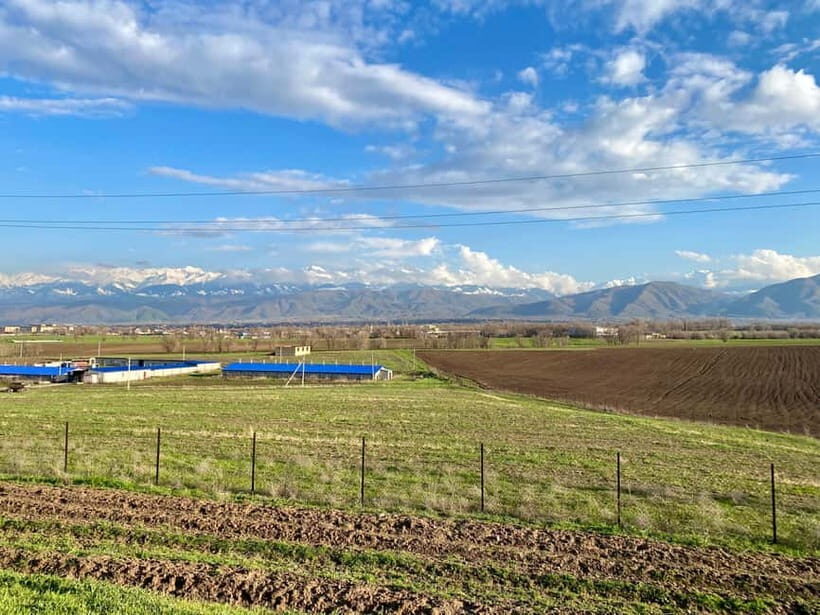
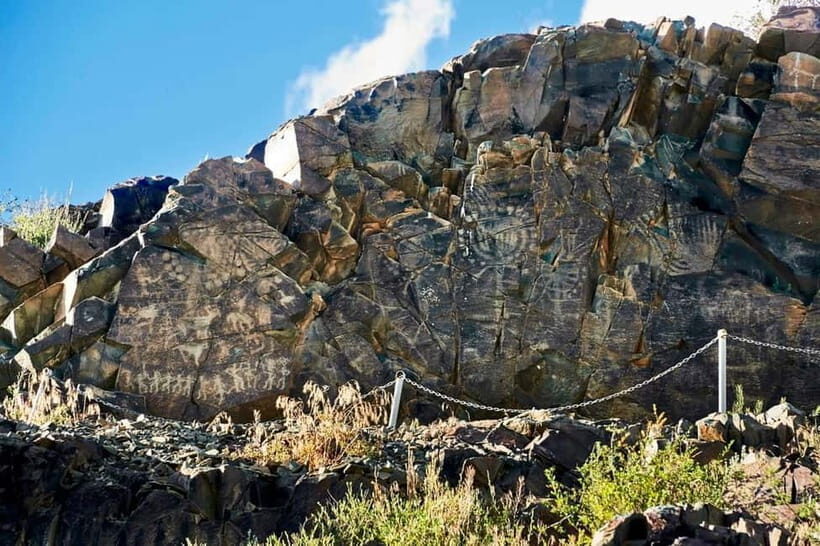
This is the heart of the visit. The central canyon contains the densest concentration of engravings, and it’s the area where the site feels most dramatic.
As you move through the canyon zones, you’ll likely notice that the carvings aren’t just random decoration. The tour explains that some locations are believed to have been used for sacrificial offerings, including what may be altar-like areas.
That doesn’t mean you’ll be told a single “this is exactly what happened” story. Instead, you’re shown why researchers think certain places functioned differently. You compare patterns and placement, and the guide helps you make sense of what you see in context.
For photo lovers: the best shots here come from patience, not speed. If you spend a minute longer in each section, the carvings start to reveal their own logic. That’s when it stops being only impressive and becomes genuinely interesting.
Altars, burial mounds, and pastoral ritual clues
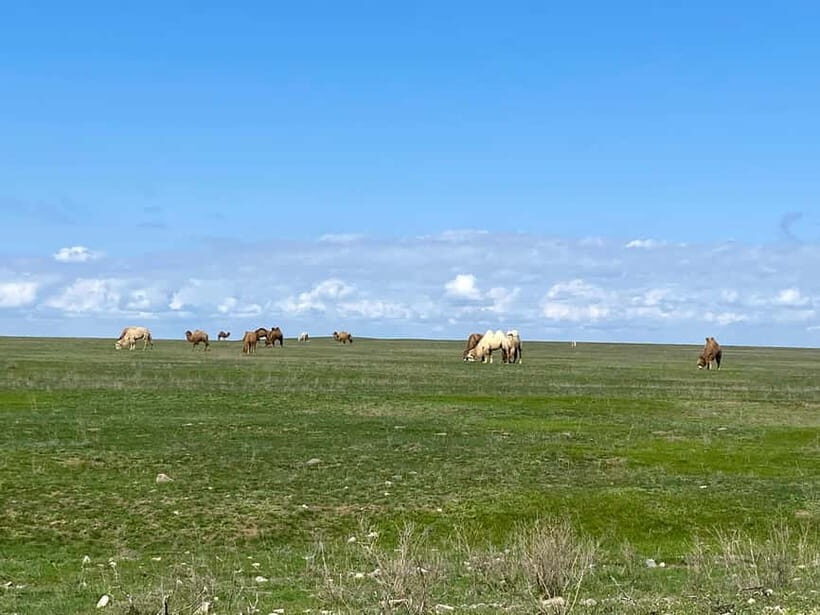
Tanbaly Gorge doesn’t just show images. It’s also connected to burial grounds and burial mounds, which adds another layer to what the carvings might represent. Seeing the funerary connection helps you read the petroglyphs as part of a bigger cultural landscape, even though you’re standing in open air in a quiet canyon.
The tour’s framing is practical: pastoral peoples used these spaces for social order and rituals. The carvings, combined with nearby burial contexts, suggest the gorge had lasting meaning beyond everyday life.
One reason this works for you as a visitor is that it gives you permission to look slowly. You’re not rushing past “art on a rock.” You’re treating each panel like a historical message—some eras older than others, some interpretations uncertain, but all connected to human life.
Guides who can actually explain what you see
This is one of the most praised parts of the experience, and it shows. You’ll have a live English guide for the tour, and then you’ll also meet an on-site specialist who knows the reserve in depth.
Names that have come up include Nursultan (recognized for careful driving and strong explanations) and Minara (described as friendly and professional, with lots of helpful tips). The pattern is consistent: guides don’t just translate words; they help you understand what the carvings likely mean and how to approach looking at them.
That matters because petroglyphs can be hard to read at first. With the right guidance, you start noticing patterns—groupings, repeated figures, and how certain areas might have had ceremonial use. Without that, you might end up with the experience of seeing rocks and thinking, That’s cool. With guidance, you leave with real context.
Price and value: what $146 buys you for a remote UNESCO site
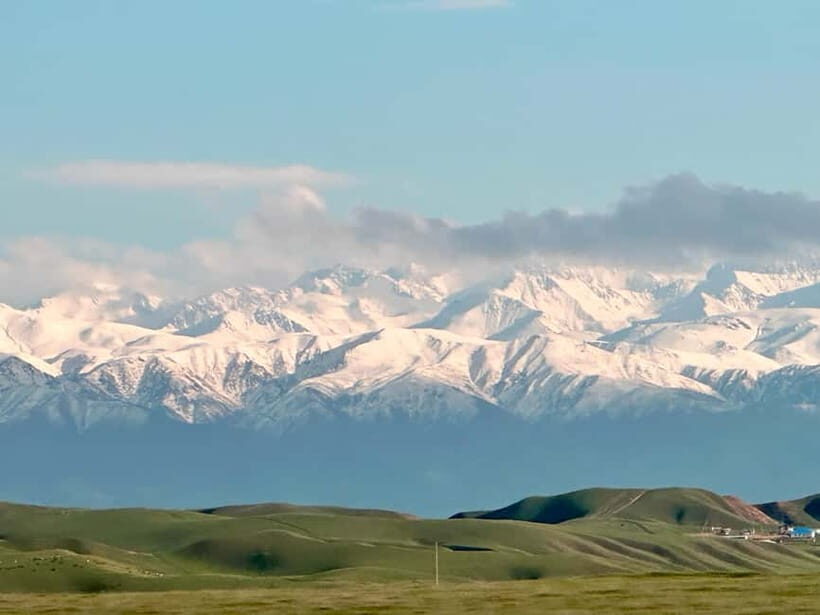
At $146 per person, this isn’t a “cheap afternoon.” But it also isn’t overpriced for what’s included.
Here’s what you’re getting for the price:
- A guided excursion in the Tanbaly Gorge museum-reserve
- Professional guide service throughout
- Air-conditioned vehicle for the long transfer
- Entrance tickets
- Bottled water
That’s a lot to bundle for a UNESCO site in a remote setting. The biggest cost driver is the travel time and transport logistics from Almaty. When a tour includes both transportation and guided access (not just a ticket), the value usually makes more sense.
Where the price can feel less friendly is if you’re expecting a relaxed, no-walking day with meals included. Meals aren’t included, so you’ll want to plan for food outside the tour structure or bring a plan for later.
What to bring (and what to skip)
The single must-have item is comfortable shoes. Beyond that, keep it simple.
Practical choices:
- Wear layers. It’s outdoors for the petroglyph viewing.
- Bring any personal snacks you like, since meals aren’t included.
- Keep small items handy for the walking segments; 2 km can still make you notice you forgot something.
If you’re sensitive to sun or wind, plan accordingly. The gorge is in an arid mountain area, so conditions can change your comfort quickly even if temperatures feel manageable.
Who this Tanbaly Gorge tour is best for
I’d point this tour toward you if you:
- Want a UNESCO site that feels quiet and off the big tourist circuit
- Enjoy archaeological details, not just “I saw it” box-checking
- Like guided interpretation, especially for hard-to-read rock art
- Can handle about 2 km of walking plus some hiking on uneven ground
It’s a tough match if you need wheelchair access, have mobility limitations, or prefer minimal walking. The tour also isn’t recommended for people over 75 or low fitness levels, based on the physical demands.
Should you book Tanbaly Gorge?
Book it if you want an unforgettable UNESCO day that’s genuinely remote and focused. The strongest reasons to go are the high density of petroglyphs, the long timeline from XIV–XIII BC to the 18th century AD, and the guidance quality that helps you understand the carvings beyond their surface.
Skip it (or look for a different format) if you’re not comfortable with walking and hiking between engraving areas, or if a 2.5-hour one-way drive sounds like too much for your energy level. Also remember: no meals are included, so plan food.
If you’re ready for a thoughtful day in open air—rock art, ritual context, burial mounds, and strong English explanation—this is the kind of tour that tends to leave you quietly impressed for a long time.
FAQ
How long is the Tanbaly Gorge UNESCO petroglyphs day tour?
The tour duration is about 8 hours, including pickup and the drive from Almaty and back.
What is included in the price?
The tour includes a guided excursion at Tanbaly, professional guide service, an air-conditioned vehicle, entrance tickets, and bottled water.
Are meals included?
No. Meals and personal expenses are not included.
How much walking is involved?
The tour includes around a 2 km walk and some hiking between petroglyph areas.
Is the tour available in English?
Yes. The live tour guide is available in English.
Is the tour refundable if I cancel?
You can cancel up to 24 hours in advance for a full refund.