REVIEW · ASTANA
Astana: Back to USSR Gulag Museum with Certified Guide
Book on GetYourGuide →Operated by Discover Astana - Guided Tours · Bookable on GetYourGuide
Soviet history hits hard. This is a one-day guided loop from Nur-Sultan to the Museum of Karaganda’s Gulag camp in Dolinka, then into Karaganda to see how Soviet architecture still frames everyday life. It’s the kind of trip that helps you connect what you read in books with real places you can stand in.
I especially liked two things: first, the way guide Damir explains the Gulag system clearly, with stories and answers that make the whole machinery of repression easier to understand. Second, the contrast—Soviet-era buildings and landmarks inside Karaganda, followed by lunch and a city walk that also hints at contemporary Kazakh life.
One consideration: this museum is emotionally heavy, and there’s also a practical rule to note—photography is allowed but videotaping is restricted inside the museum. If you want a light, carefree day, this probably won’t be your best fit.
In This Review
- Key highlights you’ll feel on the day
- From Nur-Sultan to Dolinka: the day trip starts with smooth logistics
- 2.5 hours at the Museum of Karaganda’s Gulag camp (Karlag): what you’re actually seeing
- A practical expectation: this is not just about the prison
- Why the Gulag story lands differently in Dolinka
- Karaganda city tour (2.5 hours): Soviet architecture you can’t unsee
- Where contemporary Kazakh life shows up
- Lunch in Karaganda and national snacks: the day stays workable
- English or Russian guidance: how to get the most out of the day
- Price and value: what $165 covers on a one-day education trip
- Tips before you go: shoes, photos, and the museum’s video rule
- Who should book this Gulag Museum + Karaganda tour?
- Should you book this tour? (My straight answer)
- FAQ
- FAQ
- Where does pickup happen for the tour?
- How long is the tour?
- What language is the guide?
- Is the Gulag museum visit guided?
- Is photography allowed inside the museum?
- What’s included in the price?
- Is the tour wheelchair accessible?
Key highlights you’ll feel on the day
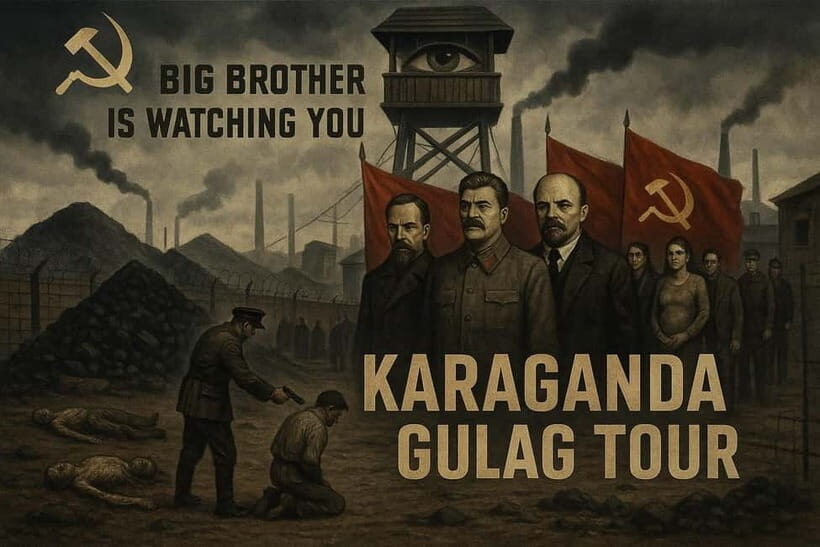
- Dolinka’s Gulag camp museum: a preserved site tied to the second largest Gulag camp in the USSR
- Guided context from Damir: thoughtful explanations and room for questions during the stops
- Two guided blocks in one day: 2.5 hours at the museum, then 2.5 hours sightseeing in Karaganda
- Soviet architecture meets modern Karaganda: you’ll see the contrast right on the street
- Food support for the day: national snacks, hydration, and lunch so you don’t run out of steam
From Nur-Sultan to Dolinka: the day trip starts with smooth logistics
The experience begins with pickup in Nur-Sultan—and the guide will meet you at any spot you mention, which is a real quality-of-life win when you’re juggling timetables. From there, you’re set up for an easy ride toward Dolinka, where the museum is located in the Karaganda Region.
This isn’t a “self-guided and figure it out” kind of outing. You’re moving with a plan: museum first, then Karaganda city. That sequencing matters, because the emotional weight of the site lands harder when you follow it immediately with a walk through the modern city.
If you’re trying to make the most of a short stay in the Astana/Nur-Sultan area, this format is efficient. You’ll cover two big locations in one day without having to coordinate transportation or translations on your own.
You can also read our reviews of more guided tours in Astana
2.5 hours at the Museum of Karaganda’s Gulag camp (Karlag): what you’re actually seeing
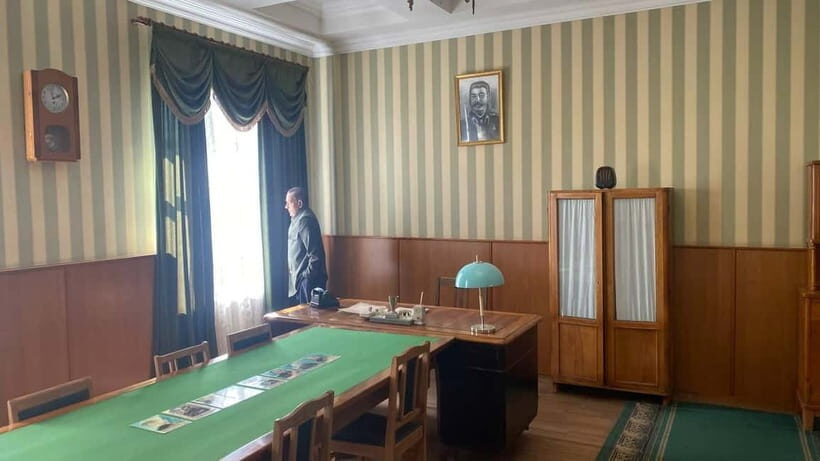
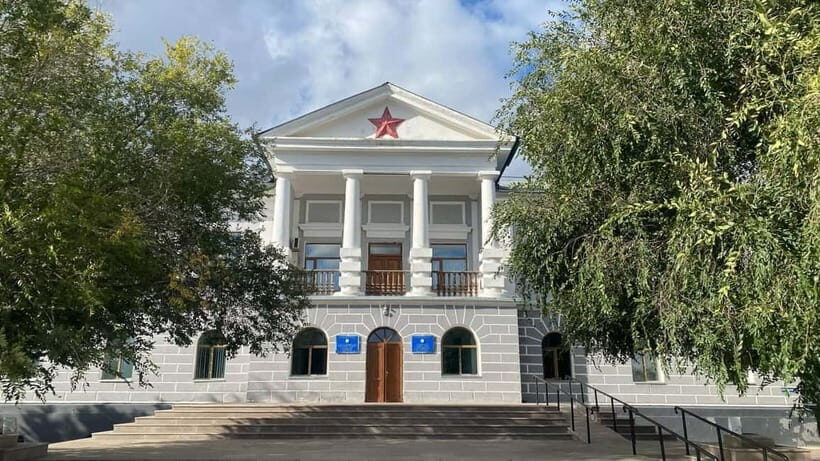
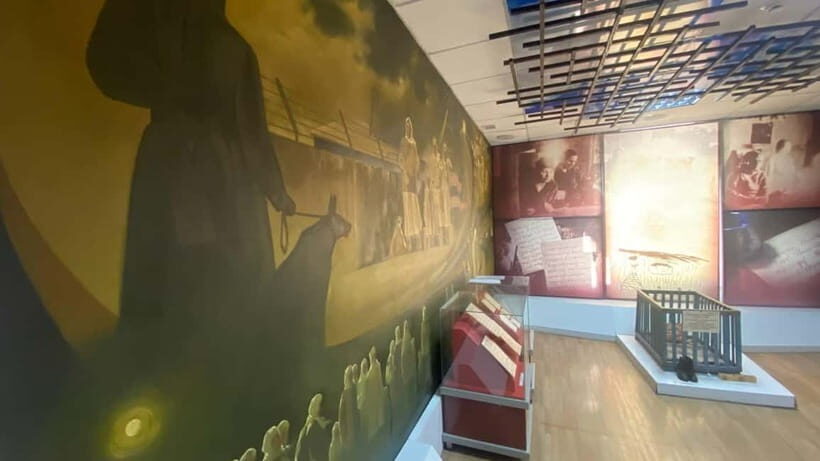
The heart of the tour is your visit to the Museum of Karaganda’s Gulag camp in Dolinka, a place associated with the second largest Gulag camp in the USSR. A museum like this isn’t meant to be casual sightseeing. Plan for a slower pace, more reading time, and moments where you’ll just need to stand and absorb.
Your visit is guided (about 2.5 hours). That’s long enough to go beyond surface explanations—especially because the Gulag system was complex, and the local story connects to broader Soviet repression. A good guide helps you track names, dates, and patterns without turning the experience into a memorization test.
Photography is allowed, but videotaping is restricted inside the museum, so you’ll want to treat your phone camera like a photo tool, not a recording device. Also, bring or wear comfortable walking shoes—this kind of site works best when your feet aren’t complaining.
A practical expectation: this is not just about the prison
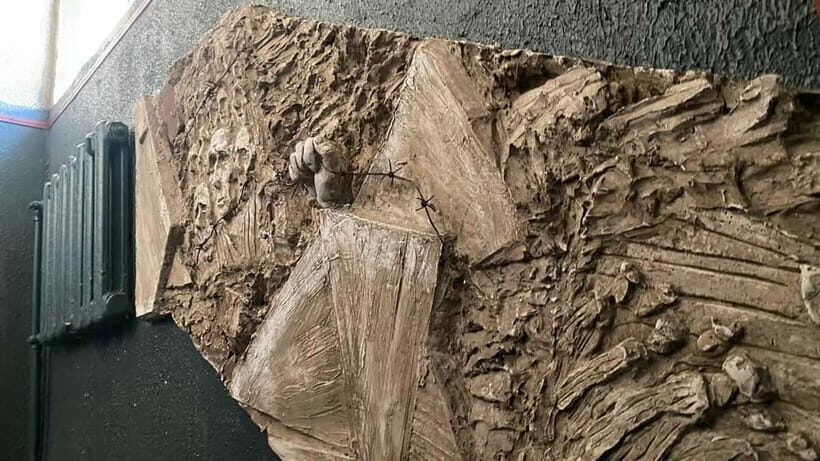
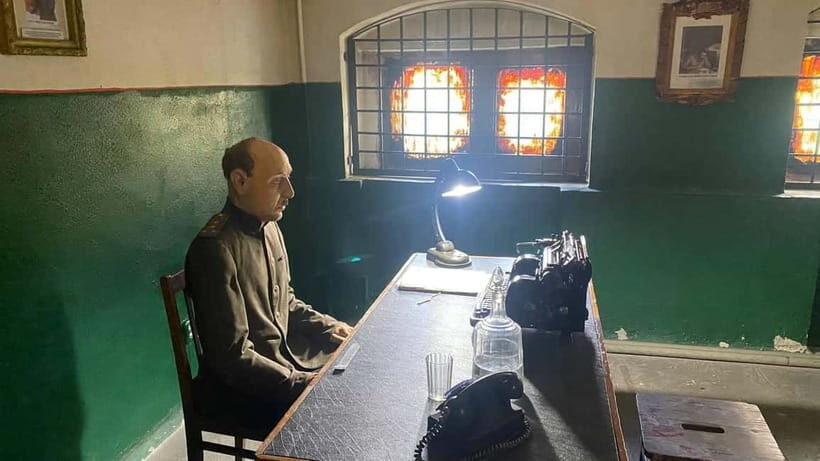
The museum visit isn’t only about the camps as buildings or layout. It’s about the human impact—how the system broke routines, stripped control from people, and shaped daily life through hardship. You’ll likely notice that the guiding stories connect the site to the broader Soviet era, not just to one location in isolation.
And because your schedule moves on afterward, the tour gives you a “then and now” contrast: what was built to control people, and what people built later to live their lives.
Why the Gulag story lands differently in Dolinka
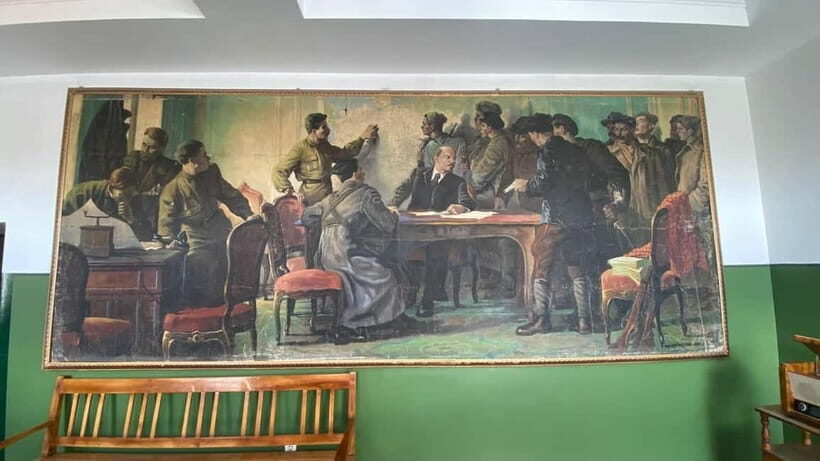
You might know the phrase Gulag, but Dolinka gives it a specific geography. Here, you’re not dealing with abstract history—you’re looking at a site that represents how Soviet policies played out on the ground.
This part of the day is where the tour earns its place on a history-focused itinerary. The Gulag system was a state machine, and Karaganda’s camp network helped shape the region. Your guide’s explanations help you see connections between industrial goals and forced labor, and how Stalin-era repression spread through different parts of the USSR.
What I liked most is that the experience doesn’t feel like a one-note lecture. With a guide like Damir, you get a flow of stories and explanations that stay grounded in the reality of what prisoners faced—while still connecting it to why the Gulag mattered to the Soviet Union as a whole.
Karaganda city tour (2.5 hours): Soviet architecture you can’t unsee
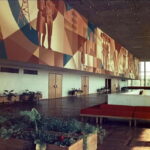
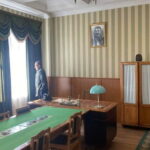
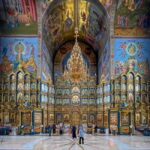
After the museum, you head into Karaganda for another guided block of about 2.5 hours. This is where the day gets visually interesting in a different way: you’ll see Soviet-era architecture and cultural landmarks set against a modern city.
The contrast is the point. Walking through Karaganda after learning about forced labor and repression creates a sharp mental shift. It’s not that the city is “guilty” or “innocent.” It’s that history is built into the physical world—and people keep living in it.
You’ll also get cultural landmarks during the sightseeing portion. One detail that stood out from past participants: people often manage to spot Soviet symbols on the route, including a Lenin statue. Even if you don’t chase it for its own sake, noticing what the city preserved—or chose to keep visible—adds a strong layer to the story.
Where contemporary Kazakh life shows up
The tour aims to connect Soviet legacy to contemporary Kazakhstan. That can mean subtle things: how the city feels today, what people treat as normal, and how everyday life continues in the same urban fabric that once reflected Soviet priorities.
A guide who can tie history to present-day context makes a difference here. In particular, Damir’s style tends to include observations about traditions and everyday rhythms, not only monuments. That’s how you leave with more than a list of sights—you leave with an understanding of how the past and present share the same streets.
Lunch in Karaganda and national snacks: the day stays workable
This tour includes time for lunch (1 hour) and also provides national snacks plus hydration for the whole day. On paper, that’s just “included food,” but on a day like this, it’s a practical kindness.
Museum hours can drain you—mentally and physically. When you’re dealing with heavy subject matter, hunger and dehydration make everything feel worse. The snacks and hydration help you keep your energy steady until lunch, so you don’t end up rushing through the last stretch.
Lunch is described as being at a Russian restaurant, and that works well because it fits the broader cultural mix you’re already seeing across the day—Soviet-era memory, Russian-language influence, and modern life in Kazakhstan.
If you’re sensitive to long museum pauses, this built-in food timing is one of the smartest parts of the itinerary.
English or Russian guidance: how to get the most out of the day
The tour runs with a live guide in English and Russian. That matters because the museum topic is not something you can comfortably “scan” your way through. You need context, and you need explanations that respond to questions.
I like tours where the guide can answer follow-ups without acting like it’s an inconvenience. With Damir, the focus seems to be on clarity and thoughtful responses, especially when people ask how the system worked or why Karaganda mattered.
If you’re traveling with someone who reads Russian but wants English narration, or the other way around, the bilingual nature of the guide gives you flexibility. Just note that your time inside the museum is guided and structured—so even if you’re bilingual, you’ll still benefit from staying with the guide’s pacing.
Price and value: what $165 covers on a one-day education trip
At $165 per person for a full day, this isn’t cheap in the “I’m mostly paying for a bus ride” sense. You’re paying for several real components:
- Hotel pick-up and drop-off in the Nur-Sultan area
- Comfortable transfer to and from the Karaganda Region
- Admission to the Museum of Karaganda’s Gulag camp in Dolinka
- Two guided segments: the museum visit and Karaganda city sightseeing
- National snacks, hydration, and lunch time
So the value comes from the structure. You’re not only paying to see a museum—you’re paying to understand it with a guide, then compare it immediately with the city.
If you’re short on time and want a meaningful Soviet-era itinerary without extra planning stress, this price can feel fair. If you’re traveling on a shoestring, you may decide to allocate funds toward fewer guided hours, but you’d lose that on-the-ground explanation that makes a site like Dolinka land.
Tips before you go: shoes, photos, and the museum’s video rule
A few practical points will make your day smoother:
- Wear comfortable walking shoes. You’ll be on your feet for museum time and city time.
- Dress for the weather. You’ll spend time outdoors while moving and sightseeing in Karaganda.
- Photography is allowed, but videotaping is restricted inside the museum. Plan to take still photos rather than recording long video clips.
If you take one piece of advice from this: treat the museum like a place of respect and attention. Your camera can wait; your mind doesn’t need to rush.
Also note that the tour is wheelchair accessible, which is important if you need mobility support. It’s good to know this upfront rather than discovering limitations on arrival.
Who should book this Gulag Museum + Karaganda tour?
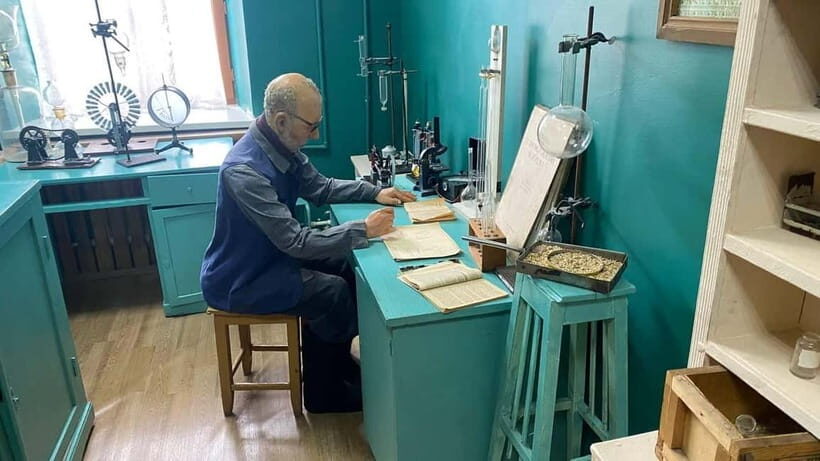
This tour is a strong match if you:
- care about USSR-era history and want it tied to real locations
- want a guided experience rather than trying to decode the museum alone
- enjoy structured city walking after a major historical stop
- appreciate context that connects Soviet legacy with today’s Kazakhstan
It’s also a good choice for people who like questions and back-and-forth with the guide. The route is designed to keep you moving, but it still leaves room for explanation—especially in the museum portion.
If you want a sunny, light, mostly-sightseeing day, you might prefer something else. This is more reflective than recreational.
Should you book this tour? (My straight answer)
If your goal is to understand the Soviet past in a place where it still has physical form, I’d book it. The pairing of Dolinka’s Gulag camp museum with a Karaganda city tour gives you contrast that sticks, and the guide support makes the story easier to follow.
If you’re easily overwhelmed by heavy topics or you don’t like museum rules around video, consider your comfort level. You can still take photos, but you’ll need to accept that this isn’t a casual day out.
Bottom line: for a one-day trip from Nur-Sultan, this offers real learning value plus human-scale pacing. And with Damir’s storytelling style, the day feels more like an explained journey than a timed checklist.
FAQ
FAQ
Where does pickup happen for the tour?
Pickup is included from any spot you mention in Nur-Sultan. The guide will pick you up there and later return you back at the end of the day.
How long is the tour?
The experience is listed as 1 day, with a schedule that includes 2.5 hours at the Karlag museum, 2.5 hours of guided sightseeing in Karaganda, and 1 hour for lunch.
What language is the guide?
The live guide is available in English and Russian.
Is the Gulag museum visit guided?
Yes. The museum visit is part of the guided experience, and admission is included.
Is photography allowed inside the museum?
Photography is allowed, but videotaping is restricted inside the museum.
What’s included in the price?
The tour includes comfortable transfer, guided tour of Karaganda city, national snacks, hydration for the whole day, museum admission, and hotel pick-up and drop-off.
Is the tour wheelchair accessible?
Yes, it is listed as wheelchair accessible.