REVIEW · ALMATY
Experience the Nomadic Lifestyle at ‘The Huns’ Ethno-village
Book on Viator →Operated by Hello, Kazakhstan! · Bookable on Viator
Horse culture and yurt life meet in the mountains. This tour mixes professional riding tricks, hands-on nomad activities, and a full day of Kazakhstan-style hospitality. You’re guided through customs by locals in traditional dress, with time to watch, try, and ask questions (and yes, that includes kumis and yurt talk).
Two parts I especially like are the horse show and the way the day introduces you to the yurt lifestyle. The vibe is family-friendly and interactive, and guides like Nurlan are a standout for keeping things running smoothly and helping you pick what to do. The main consideration is value: at $116.99 per person, you’ll want to be genuinely excited about staged performances plus short, sampler-style activities, because a few people felt the experience dragged or didn’t justify the price for them.
In This Review
- Quick hits before you go to The Huns ethno-village
- Where Gunny Ethnic Village feels like Kazakhstan, not a museum
- Your 10:30 start and how pickup changes the flow
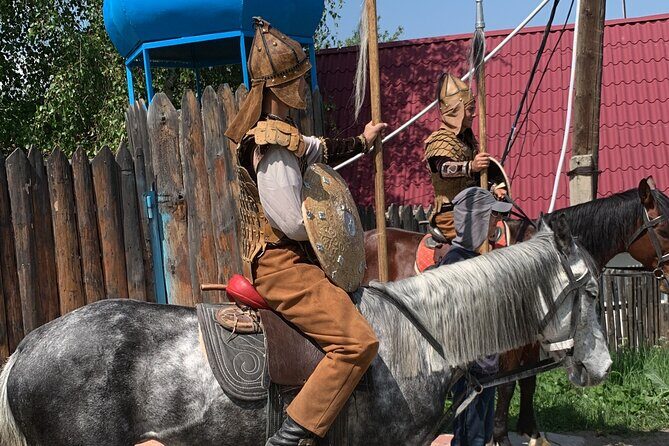
- The equestrian show: armored warriors and real riding talent
- Archery and the hands-on part that makes it stick
- Yurts, crafts, and how to listen to the small details
- Food and kumis: what’s included and how to judge value
- The guide makes or breaks the day (hello, Nurlan)
- Timing, crowd energy, and how to set expectations
- Price and who gets the best value from it
- Should you book The Huns ethno-village tour?
- FAQ
- How long is the Huns ethno-village tour in Almaty?
- What time does the tour start?
- Is pickup available?
- What’s included in the experience?
- Is an admission ticket included?
- Do I need good weather for this tour?
Quick hits before you go to The Huns ethno-village
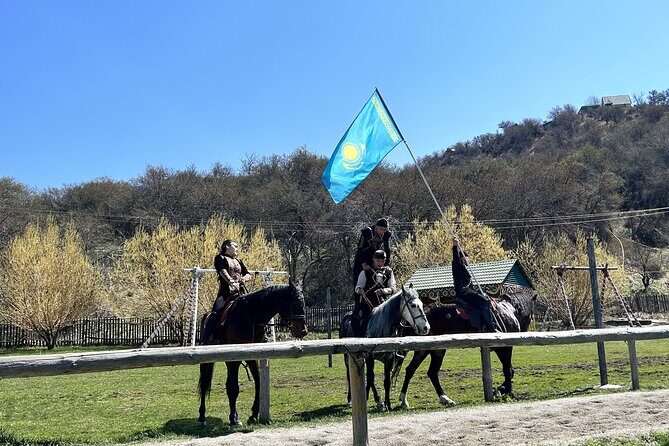
- Horse show first: a professional horse-riding tricks performance plus dramatic armored- warrior battle moments
- Real participation: amateur horseback riding and archery time, not just watching from the sidelines
- Yurts with an explanation: learn the story of yurts and what nomads used them for
- Food you can taste: basic national dishes, outdoor lunch, and drinking kumis
- Crafts makers nearby: you’ll see how local crafts are made and get a chance to learn
- Small-ish groups: max 100 people, with pickup offered and mobile ticket options
Where Gunny Ethnic Village feels like Kazakhstan, not a museum
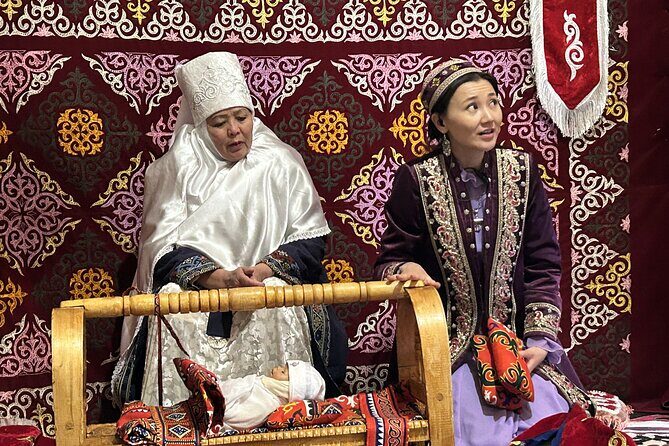
The Huns experience takes you to Gunny Ethnic Village in a mountainous setting, where the day is built around Kazakh nomad themes. It’s not a quiet walk-through. It’s a schedule of culture, performance, and practice, delivered in a way that’s meant to keep you moving for about 6 hours.
What makes it work is the balance of viewing and doing. You watch traditional customs and equestrian-style entertainment, but you also get moments where you can participate—like amateur horseback riding and archery practice. In a place like this, those hands-on pieces matter, because nomad life is easier to understand when you try the basics rather than only hearing about it.
I also appreciate that the program is grounded in everyday skills and objects. You get a yurt introduction and crafts production, plus cooking simple national dishes. That’s the difference between seeing costumes and actually connecting the dots to how people lived.
You can also read our reviews of more tours and experiences in Almaty.
Your 10:30 start and how pickup changes the flow
The day begins at 10:30 am, and pickup is offered. For many people, that’s a big deal because it removes one headache: getting yourself out to the ethno-village in time. When a tour includes pickup, you can arrive ready to be on-site immediately instead of spending energy figuring out transport.
Also, a 6-hour program tends to feel smoother when you’re not juggling logistics in the middle. You’ll be taken through the main set pieces—customs performance, riding tricks, archery, yurts, crafts, food—without needing to plan the order yourself.
Two practical notes. First, this experience needs good weather. That affects how comfortable you’ll feel during outdoor segments like the show areas and the outdoor lunch. Second, the maximum group size is 100, so it’s big enough to feel lively, but not so massive that you’ll be lost in a crowd all day.
The equestrian show: armored warriors and real riding talent
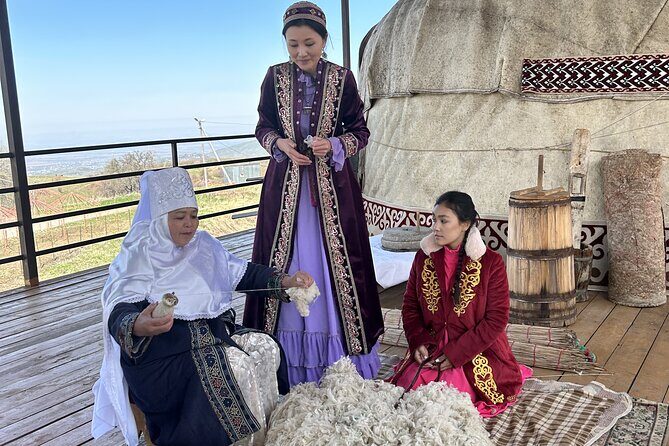
If you’re coming for horses, this is the headline. The program starts with a professional horse-riding tricks show, then layers in a traditional customs performance and a story segment about yurt life. After that, you’ll see archery show elements and then shift into amateur riding time.
One reason people rate this so highly is that the riding isn’t a slow, perform-for-the-camera routine. You get moments that feel like a battle between warriors in armor, plus the kind of precise timing that makes a stunt show impressive even if you’re not an equestrian person. It’s the part that most clearly turns culture into something you can feel through motion.
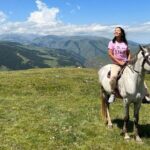
Then comes the important part: amateur riding. This is where the day stops being only entertainment. Even if you only ride briefly, you’re learning what it means to be around horses in a context where equestrian skill is central. If you’re the type who likes learning by doing, this is where you’ll get your money’s worth.
Archery and the hands-on part that makes it stick
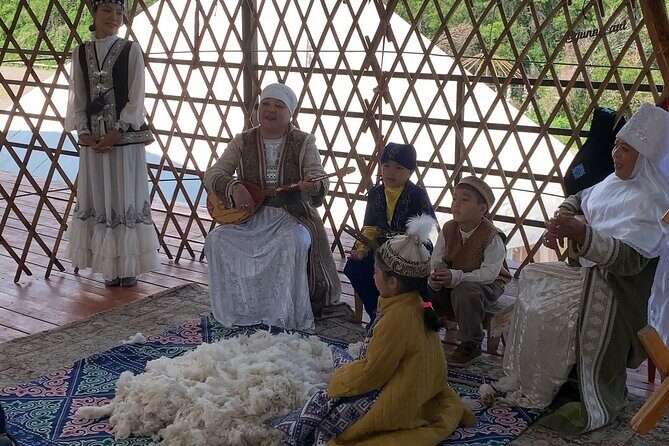
In addition to the show, you’ll get archery included in the program, plus the chance to ride horses yourself. That matters because archery and horsemanship were historically practical skills, not just sport. In an ethno-village setting, you won’t recreate everything, but you can still come away with a clearer idea of how these skills fit into nomad life.
Here’s how I’d think about it as a visitor: watching archers perform gives you the spectacle. Practicing or participating helps you understand the basics—the feeling of stance, rhythm, and focus. That’s what turns the day from passive sightseeing into actual learning.
The tour also offers enough variety to keep you from getting bored. One minute you’re watching, the next you’re participating. Then you move into crafts production and cooking. If you get energy from activities that switch gears, this schedule should suit you.
Yurts, crafts, and how to listen to the small details
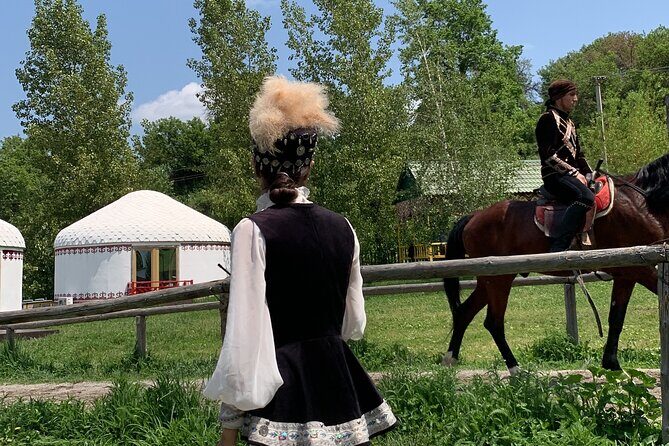
The yurt segment is one of the most meaningful parts of the experience because it’s a tangible object that represents an entire way of living. You’re not just told that nomads used yurts—you’ll hear the story of yurts as part of the flow of activities. That helps you connect the architecture to daily life rather than treating it like a decorative set piece.
You’ll also learn about local crafts and see crafts production. This is the slower, more human side of the day, and it’s where you can ask the best questions. If a staff member or guide explains how materials are used or how traditions are passed down, lean in. Ask what’s most important to get right. Even short answers can add real texture to what you’re seeing.
The strongest reviews also highlight interaction and hospitality. That lines up with what this kind of ethno-village visit is best at: personal explanations and the chance to participate rather than just stand back.

Food and kumis: what’s included and how to judge value
Food is a big part of this day. You’ll cook basic national dishes, drink kumis (horse milk), and enjoy a delicious authentic meal and outdoor lunch. It’s not just an add-on. It’s built into the cultural theme.
Now, about value: $116.99 isn’t cheap for a half-day experience. What you’re paying for is the full package—performance talent, a structured program, and multiple included activities. The trade-off is that the day can feel like a sampler, not a deep workshop. Some people felt it was gimmicky or that the program felt shorter than expected, and that’s usually a value complaint, not a quality complaint.
Food is where that value question shows up most clearly. One review said the food was just okay, while others praised it and loved bread, tea, and the meal experience. My practical take: if trying local foods like kumis is a priority for you, you’ll likely feel it justifies the cost. If you only care about one highlight—like the horse show—you may wish the rest of the day felt more substantial or longer.
The guide makes or breaks the day (hello, Nurlan)
A tour like this needs someone to keep the pace friendly, explain what matters, and help you choose where to focus. The data supports that strongly: the guide experience is repeatedly mentioned, and Nurlan is singled out as a best-in-class guide who helped with getting the best options.
When your guide is good, you get better flow. That means fewer awkward pauses, more helpful timing, and clearer context for what you’re seeing. It also means you can ask basic questions without feeling rushed.
So if you book, go in with the right mindset: you’re not just attending shows. You’re joining a cultural day with real people running it. Your questions—about how yurts work, what’s involved in making crafts, or how kumis fits into traditions—are part of the experience.
Timing, crowd energy, and how to set expectations
This is listed as approximately 6 hours, and the structure is front-loaded with the big performance elements and then expands into activities like archery, amateur horseback riding, crafts, and cooking. That means the day can feel eventful right from the start.
One thing to watch is expectation around how long each activity lasts. Even though the day is planned for 6 hours, some people felt the program was shorter in practice (they mentioned a 2–3 hour feel). I’d treat that as a reminder: the biggest highlights might take place early, and the rest of the time may pass quickly between stations.
Also consider the group size—up to 100. That’s not too huge, but it’s large enough that you’ll see a lot of motion and activity at once. If you’re craving a private, quiet experience, this may not be your ideal format. If you like energy, short explanations, and doing things with a group, the size works.
Finally, weather is not a small footnote. The tour requires good weather, and if it’s canceled due to poor conditions, you’ll be offered a different date or a full refund. If your schedule is tight, this is worth planning around.
Price and who gets the best value from it
Let’s do the honest math. At $116.99 per person, you’re paying for:
- a full cultural program (not just a single attraction)
- included activities like archery, amateur horseback riding, cooking basics
- access to traditional customs performances
- an outdoor lunch and food tasting including kumis
- pickup offered and an organized experience in a mountainous area
If you’re the type who likes variety—horse show plus hands-on activities plus food—then it can be good value. The best reviews emphasize exactly that combination: singing, the horse show, food, guides, explanations, and the chance to ride and try archery.
If you’re more selective, the value depends on which parts you care about most. If the horse show is your main goal, you might still enjoy the rest, but the extra cultural stops may feel like fillers at this price point. If you’re sensitive to staged entertainment, you may prefer something more focused or longer-form.
So who is this for? I’d place it at the intersection of three interests:
- you want to see Kazakhstan culture expressed through performance and daily-life objects
- you like hands-on try-it activities
- you’re comfortable with tasting traditional foods, including kumis
Should you book The Huns ethno-village tour?
Book it if you want an active, structured cultural day with horses at the center. I’d especially recommend it if you’re excited by the idea of combining professional riding stunts, archery, yurt explanations, crafts, and an outdoor meal in one trip. The guide quality also looks like a real strength, with Nurlan praised for making sure you get the best options.
Skip or reconsider if your top priority is a deep, unhurried immersion in Kazakh life. This tour is designed for highlights and participation, not a slow, detailed study. Also reconsider if you’re extremely price-sensitive, because a few people felt the overall value didn’t match the cost.
FAQ
How long is the Huns ethno-village tour in Almaty?
It runs for about 6 hours.
What time does the tour start?
The start time is 10:30 am.
Is pickup available?
Yes, pickup is offered.
What’s included in the experience?
The program includes a traditional customs performance, a professional horse-riding tricks show, a yurt learning segment, an archers show, amateur horseback riding, local craft learning/production, cooking basic national dishes, drinking kumis, and an outdoor lunch and authentic meal.
Is an admission ticket included?
Yes, an admission ticket is included.
Do I need good weather for this tour?
Yes. The tour requires good weather. If it’s canceled due to poor weather, you’ll be offered a different date or a full refund.