REVIEW · ASTANA
Astana: Old City Tour, Imperialistic and Soviet Architecture
Book on GetYourGuide →Operated by Discover Astana - Guided Tours · Bookable on GetYourGuide
Soviet Astana has plenty to say. This Old City tour follows the city’s socialist layers in a way that feels practical, not like a history lecture, with Soviet architecture and street-level details you can actually see. You’ll get a clear sense of how yesterday’s ideology and daily life show up in the buildings, art, and streetscapes.
I love two things most. First, the guide work: Damir’s stories connect the mosaics and murals to what life was like in the Soviet Union, with personal anecdotes and careful attention to what you’re looking at. Second, the route leans toward lesser-known stops, so you’re not just checking boxes—you’re getting places you’d be unlikely to find on your own, even if you’ve done your homework.
One consideration: this is a photo-heavy, stop-and-go walk through older neighborhoods. You’ll do short stretches outside, so plan for weather and bring comfortable shoes, and also note there’s no meal included.
In This Review
- Key highlights I’d prioritize
- Soviet Astana: Why the Old City Matters
- The 4-hour flow: pickup, quick guided start, and strategic stops
- Inside the first guided primer: setting your “Soviet lens”
- Photo stops that actually help: what to look for in Soviet-era streets
- Walking moments: seeing mosaics, murals, and sculpture up close
- Lesser-known neighborhoods: the value of going off the obvious route
- Damir’s guide style: history plus personal anecdotes
- Left bank context: why the area you see changes the story
- Price and logistics: is $50 actually good value?
- What to bring: shoes, weather gear, and a camera you trust
- Who this tour suits best (and who might not)
- Should you book the Astana Old City Soviet Architecture tour?
- FAQ
- FAQ
- How long is the Astana Old City Tour?
- What is the price per person?
- Where do you get picked up?
- Is this tour a private group?
- What languages does the live guide speak?
- What’s included in the tour price?
- Is a meal included?
- Is the tour wheelchair accessible?
- Is free cancellation available?
- What should I bring?
Key highlights I’d prioritize
- Damir-style storytelling that links Soviet-era art to everyday life
- Mosaics, murals, and sculptures meant to carry messages, not just decorate walls
- Lesser-known corners of Astana’s older fabric, away from the most obvious stops
- Photo-stop pacing that gives you time to look up, not just pass by
- A comfortable car setup with Wi-Fi, A/C, and drinks for the in-between moments
Soviet Astana: Why the Old City Matters
Astana is known today for bold modern design. But if you only see the shiny parts, you miss the human code that older buildings carry—how people were guided to think, work, and belong. This tour is built for that missing layer.
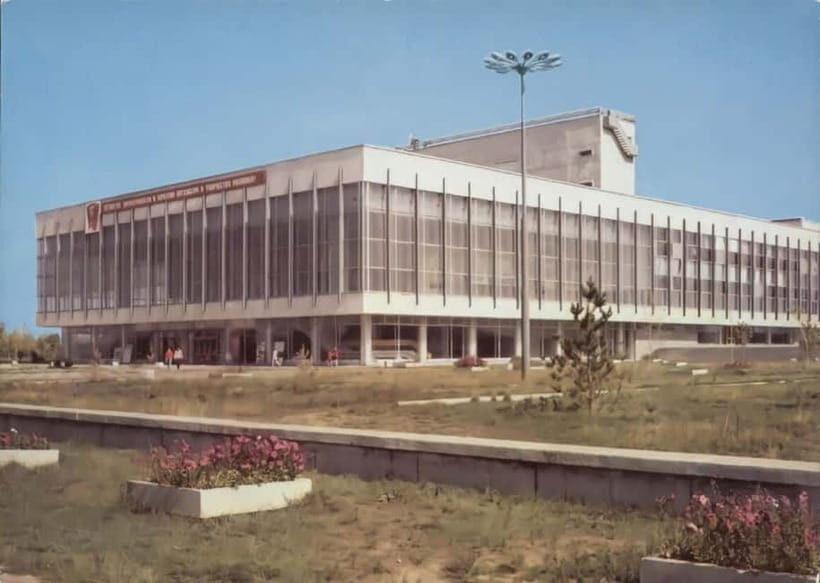
The Old City angle is what makes it worthwhile. You’re not chasing monuments for one perfect photo. You’re moving through historic neighborhoods and Soviet-era structures where the messaging is visible in stone, glass, tile, and sculpture. It’s architecture that has opinions.
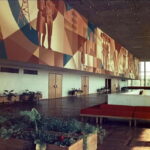
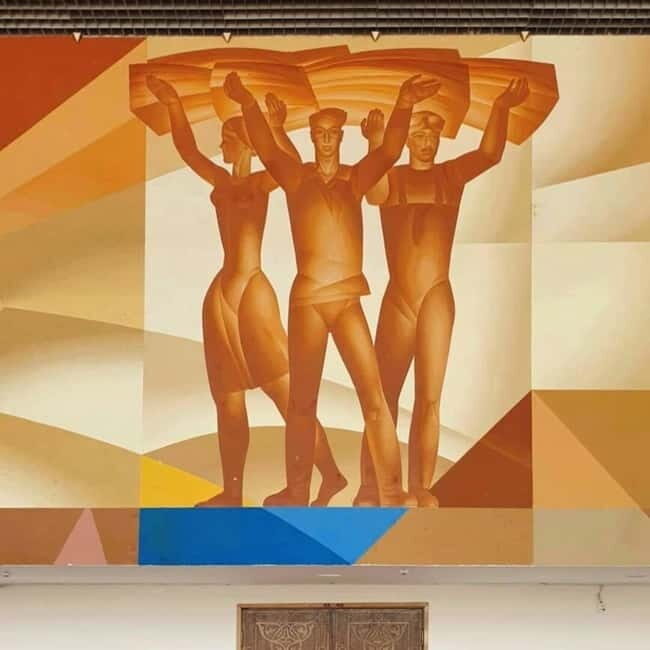
And since it’s a heritage-style approach, you’ll spend time on the art details too. Soviet-era mosaics, murals, and sculptures often use symbolism, faces, worker imagery, and decorative patterns to communicate ideology and resilience. Once you start reading those cues, the streets stop being background and start being a story.
You can also read our reviews of more city tours in Astana
The 4-hour flow: pickup, quick guided start, and strategic stops
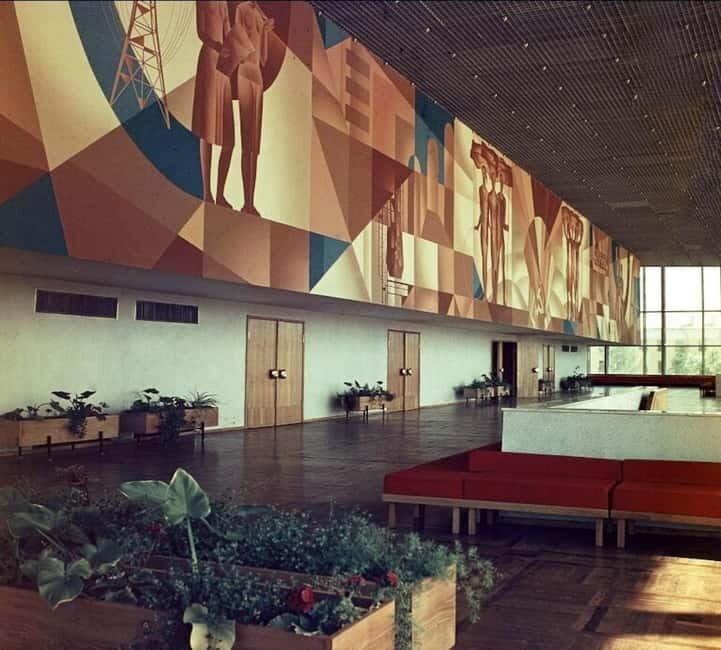
The tour runs about 4 hours, which is just long enough to get oriented without turning your legs into a souvenir. You’ll begin with pickup in Nur-Sultan, and you can request pickup from any point per your needs, plus hotel pickup and drop-off are included. That matters here because the value is in the route, not in figuring out logistics.
After you’re settled, there’s a guided segment to set the context—around 30 minutes—so you know what to look for before you start stacking photos. Then the schedule alternates between guided time and photo stops, which sounds simple but works well for your attention span. You get time to look closely, and then the guide helps you interpret what you’re seeing.
Expect a rhythm of:
- Guided orientation
- Short stops for photos
- A few on-foot moments for closer viewing
- More photo breaks as the route moves between neighborhoods
Because so many parts are brief, you’ll want to stay mentally ready. Bring your camera settings battery-charged and keep your phone ready for quick reference shots. The best moment is usually the one you’re looking up for.
Inside the first guided primer: setting your “Soviet lens”
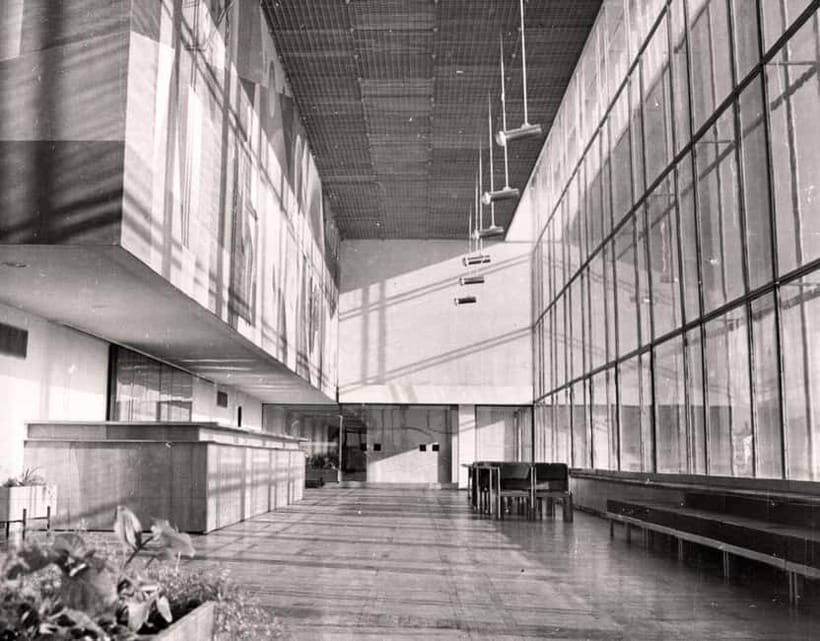
Early in the tour, you’ll get a guided start of about 30 minutes. This isn’t just background facts. The point is to help you notice patterns: how Soviet design repeats ideas, how public art tries to shape emotion, and how buildings reflect the politics of the era they were built under.
This is where the tour earns trust. When the guide gives the context first, later stops become more than scenery. You start recognizing the difference between decorative detail and purposeful symbolism—like when a mural seems to be telling a story, not just filling wall space.
If you’ve never thought about Soviet architecture before, don’t worry. The pacing keeps it accessible. You’ll leave with a mental map of what you saw and why it was made that way.
Photo stops that actually help: what to look for in Soviet-era streets
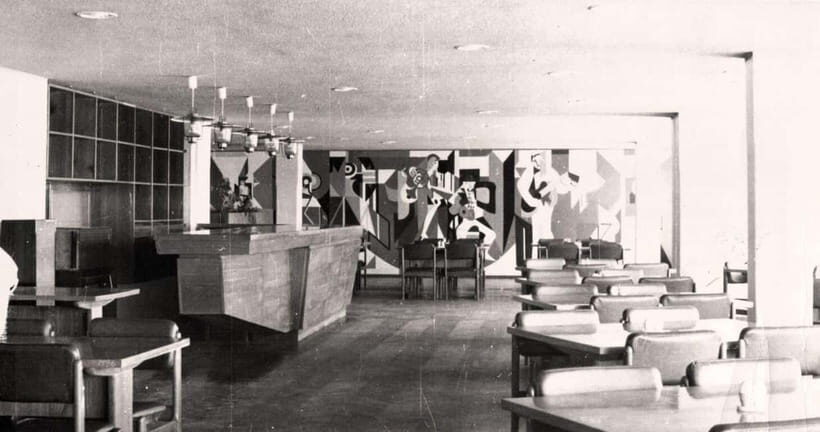
There are multiple photo stops throughout the route, including segments that are about 15 minutes and longer pauses around 30 minutes. The reason this matters is simple: Soviet-era facades reward looking up and slowly. A quick walk-by often misses the “message layer,” especially on murals and sculptural elements that sit above eye level.
At each photo stop, I’d focus on a few things:
- The way human figures are portrayed (worker roles, faces, gestures)
- Materials and surface treatment, like tiled patterns or mosaic texture
- How sculpture and mural placement suggests importance—corner locations, building entrances, and public-facing walls
- Repetition of themes across different blocks, which tells you the design rules were intentional
Also, since it’s on an older part of the city and the tour is moving, you’ll get changeable angles. That’s valuable because these artworks often look different depending on the viewing distance and the light.
The only drawback with photo-stop pacing is that if you’re allergic to walking or standing still, you’ll want to take advantage of the car between stops. For most people, it’s a good balance: move, pause, interpret, shoot, repeat.
Walking moments: seeing mosaics, murals, and sculpture up close
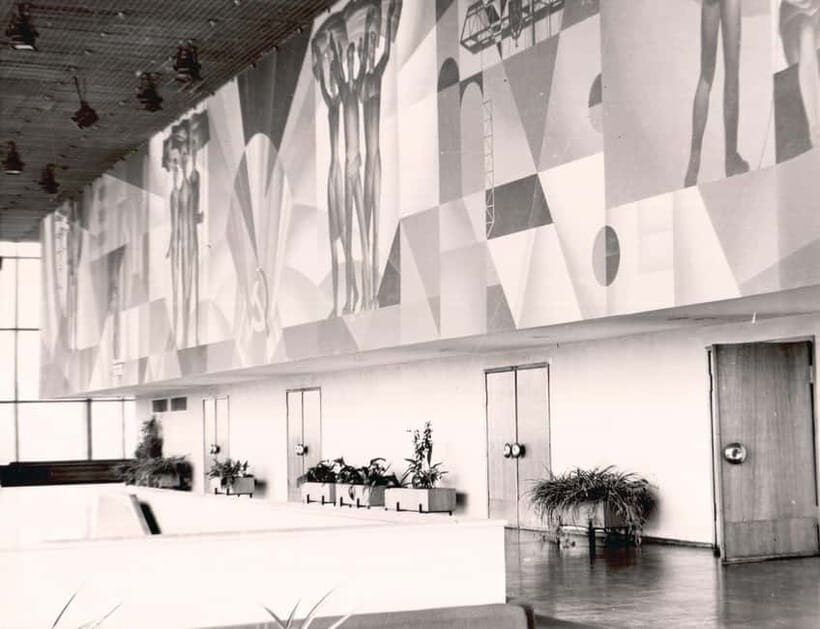
The tour includes a few actual visit segments—times set aside for a closer look rather than just outside photos. These are the parts that turn “Soviet architecture” from a label into something you can read with your eyes.
You’ll spend time on Soviet-era mosaics, murals, and sculptures that tell powerful stories of resilience, ideology, and culture. That sounds broad, but your guide makes it concrete by pointing out what the art is doing: who it highlights, what emotions it tries to stir, and how the design communicates ideas publicly.
This is also where the tour feels more human. Instead of treating the past as an exhibit, you’re seeing it layered onto living streets. Buildings may have aged, but the visual language still hits—faces, symbols, and craftsmanship built to last.
If you love art and want a reason to pay attention to textures and composition, these closer-view moments will be the best part of your afternoon. If you’re mostly into modern architecture, you’ll still get something here, but you may need to shift your mindset from style to meaning.
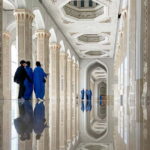
Lesser-known neighborhoods: the value of going off the obvious route
One of the strongest themes in the tour is that you’re visiting lesser-known sites that give a glimpse into Astana’s past. The practical payoff is that you get variety without the feeling of repeating the same streetscape over and over.
These stops can feel more local and less scripted than the main-picture zones. That matters because Soviet-era design often shows its personality in ordinary blocks—entries, façades, and decorative treatments that were meant for everyday public use.
There’s also a sense of discovery in the route. The guide’s job isn’t just describing. It’s finding angles and locations that don’t usually land on a quick internet search. On a city like Astana—where the modern skyline tends to dominate your first impression—that “older fabric” exposure is the whole point.
If you like your travel with context, and you prefer streets over souvenir sites, this portion is where the tour earns its keep.
Damir’s guide style: history plus personal anecdotes
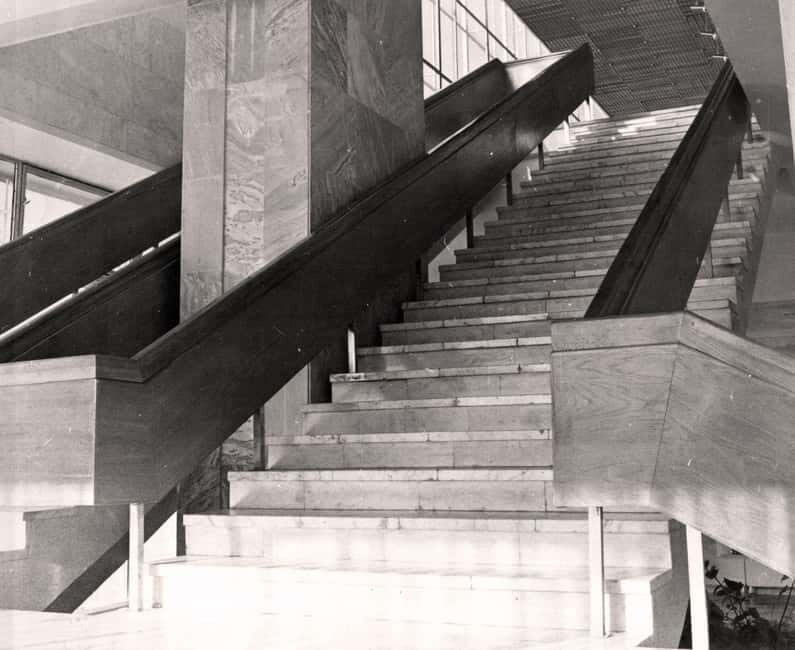
In the feedback I’m taking inspiration from, Damir comes up again and again for two reasons: he explains with clarity and he connects architecture to personal life. That’s a rare combo. You don’t just get dates and slogans—you get the sense of what people actually experienced under Soviet systems.
His English is described as excellent, and he also speaks Russian, which gives you options if you prefer one language over the other. Either way, the tour stays focused on interpretation. You’re not just collecting photos; you’re collecting cues you can carry with you.
One more thing I’d call out: the guide seems to keep researching and adding new places and details. That usually means the tour doesn’t feel like a canned route. You can expect little surprises along the drive and at stops, the kind of moments that make the afternoon feel like a conversation, not a script.
Left bank context: why the area you see changes the story
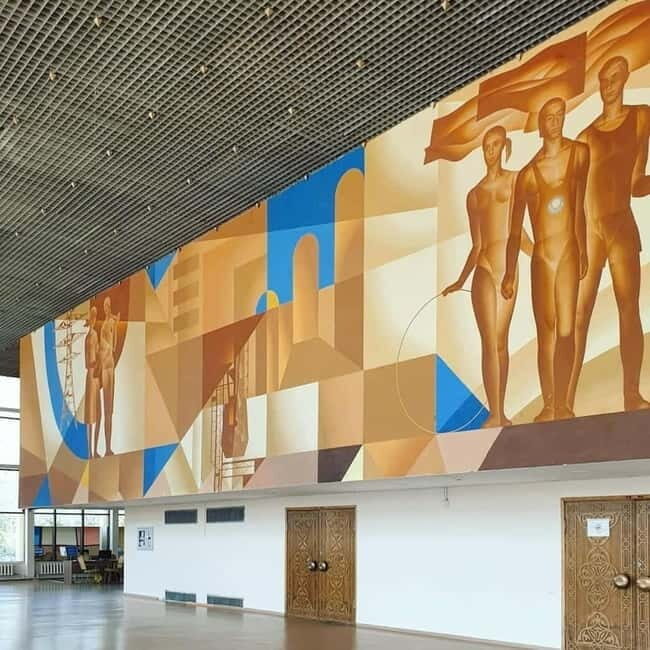
A detail that sticks with me from the tour’s description is that it includes time on the left bank. That matters because urban design often differs across sides of a river or district line. Soviet-era development didn’t happen the same way everywhere, and the architecture you see can reflect planning choices in that area.
In plain terms: where you walk and which neighborhoods you sample affects what themes you notice. With this route, you’re more likely to see continuity and variation in the socialist-era built environment, not just one isolated cluster of buildings.
So if your goal is understanding—not just photographing—this left-bank inclusion makes the afternoon more coherent.
Price and logistics: is $50 actually good value?
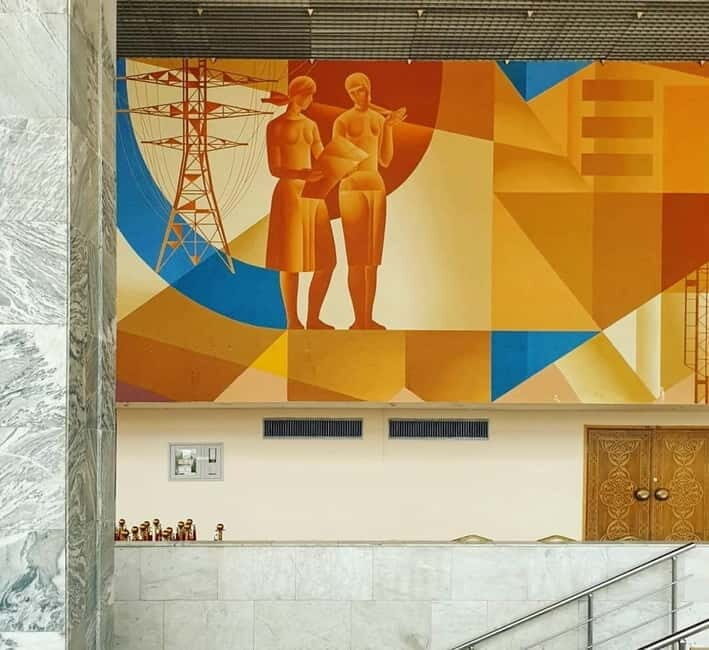
$50 per person for about 4 hours doesn’t sound expensive compared with many city tours, and the inclusions help justify it. You’re getting an expert guide, a comfortable car with Wi-Fi and A/C, hotel pickup and drop-off, refreshing drinks, and entrance fees to any museums and attractions included on the route.
What you’re not getting is a meal. If your tour time overlaps lunch or dinner, plan to eat before or after. That’s the main budget hit you control.
Also, you’re paying for guidance in a specific theme: Soviet remnants and socialist-past interpretation. If you’re going to spend this kind of time in a city, having someone connect the dots between art, architecture, and daily life is what turns the fee into something more than transportation.
If you prefer to self-tour, you can always wander. But you’ll likely spend extra time figuring out what to notice, and you may miss the lesser-known stops the guide has in the mix.
What to bring: shoes, weather gear, and a camera you trust
Bring comfortable walking shoes. Even though it’s car-based, the tour includes visits and time outdoors during photo stops. You’ll want traction and support, especially if the weather is changeable.
Bring a camera. The stops are designed for photos, and Soviet-era mosaics and sculpture details often look best when you can zoom in after. Also bring weather-appropriate clothing. You’re in Akmola Province conditions, so dress for what you’ll actually face that day.
If you like taking notes, keep it simple: one short notebook or phone notes for things the guide points out. The best “souvenir” is remembering what you learned, not just what you shot.
Who this tour suits best (and who might not)
This is a strong fit for you if you:
- Enjoy architecture that has meaning behind the style
- Like public art, especially mosaics, murals, and sculptures
- Want a guided explanation that makes the city’s past feel understandable
- Appreciate a route that includes lesser-known stops
It may be less ideal if you mostly want modern highlights or if you dislike standing around during photo pauses. Also, because there’s no meal, you’ll want to plan food timing around your comfort.
For most people who like history on their own terms—by seeing and interpreting real streets—this will feel like a focused, efficient afternoon.
Should you book the Astana Old City Soviet Architecture tour?
If your first instinct is to understand Astana beyond the modern skyline, I’d book it. The combination of Soviet-era art details and Damir’s story-driven guide approach is exactly the kind of experience that makes a themed city tour worth doing.
If you’re unsure, use this rule: if you’ll enjoy looking up at buildings and reading murals like they’re small chapters, you’ll be happy you went. If you only want big landmarks and fast photos with no interpretation, you might prefer a more straightforward sightseeing route.
FAQ
FAQ
How long is the Astana Old City Tour?
The tour duration is 4 hours.
What is the price per person?
The price is $50 per person.
Where do you get picked up?
Pickup is included in Nur-Sultan, and the guide can pick you up from any point per your request.
Is this tour a private group?
Yes, it is a private group.
What languages does the live guide speak?
The live guide speaks English and Russian.
What’s included in the tour price?
The price includes an expert guide, a comfortable car, visit to historic neighborhoods, refreshing drinks, Wi-Fi on board, air conditioning, hotel pickup and drop-off, and entrance fees to any museums and attractions.
Is a meal included?
No, a meal is not included.
Is the tour wheelchair accessible?
Yes, the tour is wheelchair accessible.
Is free cancellation available?
Yes. You can cancel up to 24 hours in advance for a full refund.
What should I bring?
Bring comfortable walking shoes and a camera, plus weather-appropriate clothing.