REVIEW · ALMATY CITY
Three Brothers Peak and Kok Zhailyau: Path to the Clouds
Book on GetYourGuide →Operated by Incredible Kazakhstan · Bookable on GetYourGuide
A mountain day in Almaty starts with real altitude and ends with big views. I love the Three Brothers Peak push to 2850 meters and the way the scenery opens into Almaty and the Tian Shan. I also love the scale of Kok Zhailyau alpine pasture, plus the chance to cool down at the Battery Waterfall.
The one drawback is the hike is not casual. It is listed as moderate difficulty for experienced hikers only, with plenty of climbing, and it is not a match if you do not handle altitude and steep sections well.
In This Review
- Key things to know before you go
- Three Brothers Peak: the 2850-meter payoff over Almaty
- Kok Zhailyau and the Battery Waterfall: pasture views plus a cool reset
- How the day actually moves: Prosveschenets, steady hiking, then breaks
- What you’ll see at each stop (and how to use each break)
- Prosveschenets: warm-up altitude and a guided rhythm
- Kok Zhailyau: photo stop, sightseeing, and a slower pace
- Three Brothers viewpoint: where the climb turns into a panoramic reward
- Battery Waterfall: the day’s cooling moment
- The “clouds” vibe: why altitude changes everything on this route
- Price and value: is $135 fair for a 10-hour mountain day?
- What to bring: the small stuff that keeps you comfortable all day
- Safety and fit: who should (and shouldn’t) attempt this hike
- Getting the most from your guide and your group
- Should you book Three Brothers Peak and Kok Zhailyau?
- FAQ
- How long is the Three Brothers Peak and Kok Zhailyau tour?
- What is included in the price?
- Is lunch included?
- What languages are guides available in?
- Who can join this hike?
- Where is the meeting point and how do I find the guide?
Key things to know before you go
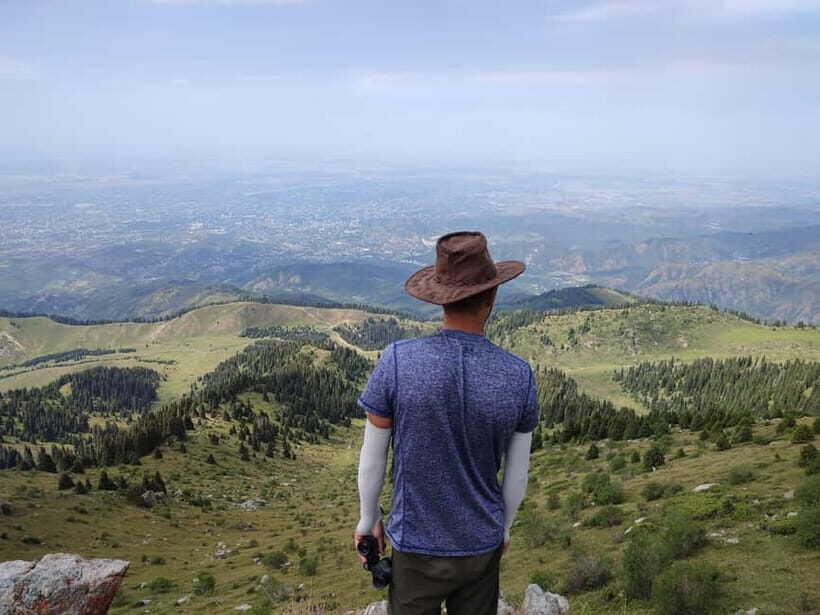
- Three Brothers Peak at 2850 m: the day’s hardest moment, with a reward that feels like you can see the whole region
- Kok Zhailyau alpine pasture: open, high meadows and big photo angles, not just a quick roadside stop
- Battery Waterfall refresh: a real payoff for walking all morning and not skipping the short hike to the falls
- Long guided hiking blocks: you’ll be moving for hours, with breaks built in so you can reset your pace
- English-speaking guide (Ilyas led one recent group): you’ll get tempo adjustments and encouragement on the climb
Three Brothers Peak: the 2850-meter payoff over Almaty
The best part of this tour is the clear, goal-driven feeling: you are going up to a specific summit viewpoint, and the hike is paced to get you there. Three Brothers Peak tops out at 2850 meters, which means the air feels sharper and your body notices the effort faster than on a low-elevation trail.
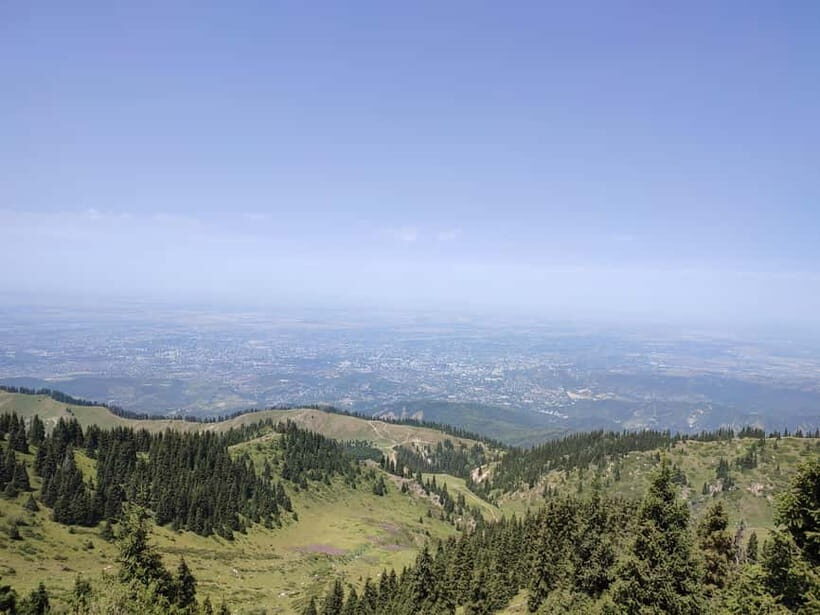
What I like most is how the summit moment changes your relationship with Almaty. From high up, the city becomes a smaller piece of the puzzle, tucked among mountains and rock. The tour also leans into that golden-eagle style vantage point, where you look down on ridges, valleys, and human scale all at once.
You do not need to be a marathon runner, but you do need steady legs. The summit segment is long enough that good hiking form matters: consistent steps, short breaks when the guide offers them, and no heroics.
You can also read our reviews of more tours and experiences in Almaty City.

Kok Zhailyau and the Battery Waterfall: pasture views plus a cool reset
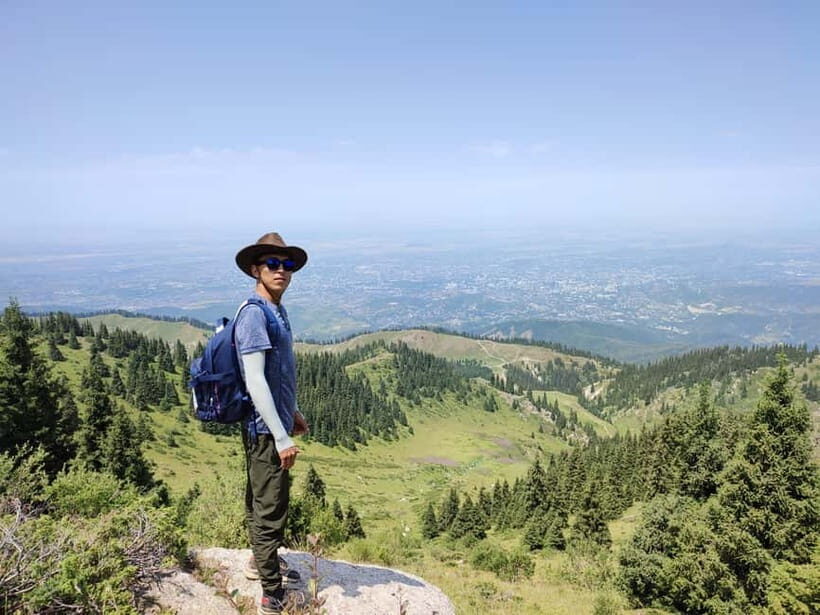
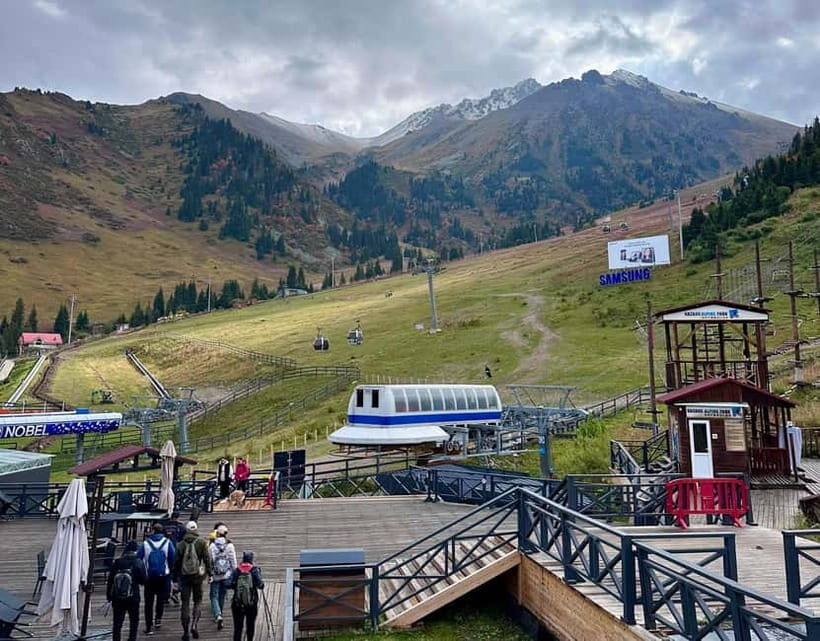
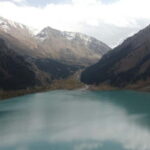
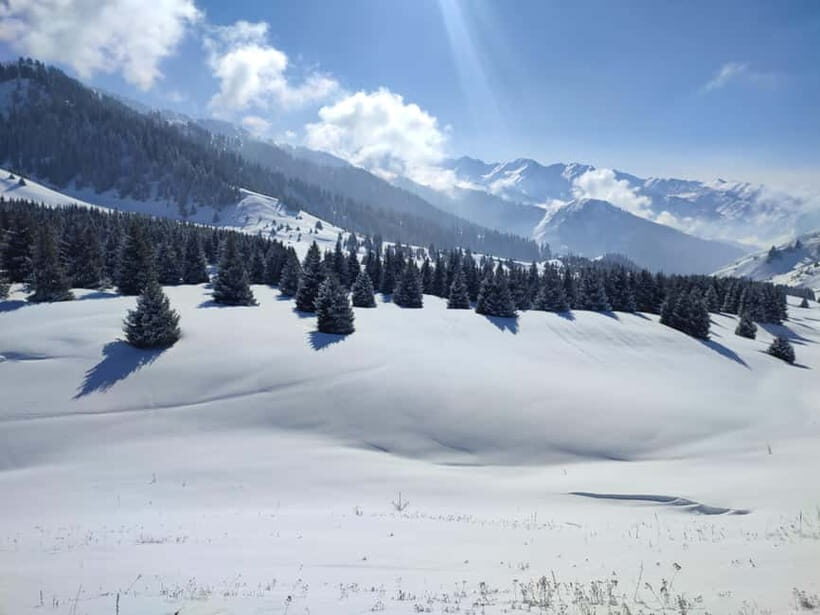
If Three Brothers Peak is your work-out finish line, Kok Zhailyau is where the day turns scenic and wide open. Kok Zhailyau is described as an immense alpine pasture, and that’s exactly the vibe: open high ground where you can breathe, walk slowly for photos, and let your mind catch up after the climbing.
You get a mix of time for sightseeing and simply being there. There’s guided time, photo stops, and a chance to wander at your own pace. This part is valuable because it is not just about reaching a peak and leaving. It gives you a stretch of time where the trail feels less like a grind and more like a mountain hangout, with the high-meadow atmosphere doing half the storytelling for you.
Then comes the Battery Waterfall. The hike to the waterfall is shorter than the summit push, but it still takes energy. The payoff is that cooling, moving water feeling when you finally reach it. Even if you only get a short look and photos, it breaks the rhythm of climbing and makes the whole day feel more complete.
How the day actually moves: Prosveschenets, steady hiking, then breaks
You start with a pickup from your hotel in Almaty and the meeting point is listed at Abay Ave 50. From there, you ride about 30 minutes before you begin the active walking around Prosveschenets. This setup matters because you’re not wasting your morning driving yourself or figuring out what connects to what.
Once you’re in Prosveschenets, the tour settles into long, guided walking. The first hiking block is around 3.5 hours, and this is where pace is everything. The guide’s job is not just to lead you between points; it is to keep the group moving at a sustainable tempo. In a recent group, guide Ilyas was praised for patience and for adapting to the group’s limits, which is exactly what you want on a strenuous day.
Later, you shift into another hiking segment toward the Three Brothers viewpoint. There is a dedicated stretch (about 105 minutes) that feels like the main “above-the-clouds” effort. Then you get a break and more time to take in the views, with photo moments and a bit of free time.
After that, you head toward the Kok Zhailyau waterfall area, with time for a walk to the falls and a pause once you’re there. The waterfall segment includes guided time and a chance to linger for photos and breathing room. Finally, you hike back toward Prosveschenets (about 1.5 hours), and then you ride back to Almaty.
The big lesson: this is a day of connected hiking blocks with breaks placed strategically. You’ll want to eat and drink early and often, even if you feel fine at the start.
What you’ll see at each stop (and how to use each break)
The tour is built around viewpoints and short “reset moments,” not just straight-line walking. Here’s how I’d think about each key stage so you can get more value out of your effort.
Prosveschenets: warm-up altitude and a guided rhythm
Prosveschenets is your starting trail zone. You’ll get guided hiking time here, and it’s a good phase to find your step size. If you start fast, you’ll feel it later. Use this stage to get your breathing steady, check your shoe fit, and settle into the day’s rhythm.
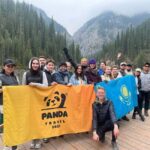
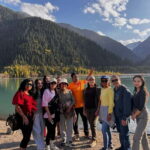
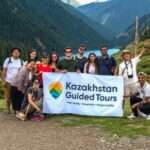
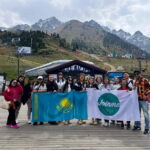
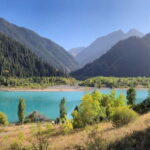
Kok Zhailyau: photo stop, sightseeing, and a slower pace
Kok Zhailyau includes a photo stop and sightseeing time (and a short wildlife-viewing window). That means you should keep your camera accessible, but you should also keep moving lightly. This is not where you want to burn out.
If you like wide-angle views, Kok Zhailyau is your friend. If you want close-up detail, keep your attention on what changes with altitude: rock color, meadow edges, and how the light sits on the slopes.
Three Brothers viewpoint: where the climb turns into a panoramic reward
The Two Brothers Rocks/Three Brothers viewpoint time is the centerpiece. You’ll hike up, then you’ll have a break with photo opportunities and time to just look. That break is not “dead time.” It is your chance to drink, catch your breath fully, and make your last push on the walk to the next sections feeling calm.
Battery Waterfall: the day’s cooling moment
The waterfall on Kok Zhailyau gives you a different kind of reward. You still have to walk to it, but the environment feels like a reset button. Expect a short hiking segment to reach it and time for a visit and photos once you’re there.
If you want the best photos, stop when the light is even and the wind is calm. Water shots look good, but only if you can stand still long enough.
The “clouds” vibe: why altitude changes everything on this route
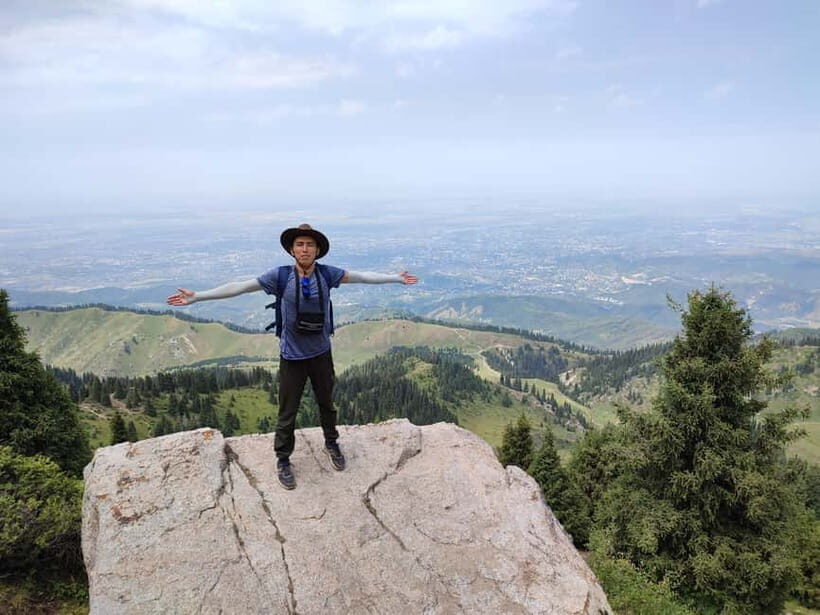
The title promises a path to the clouds, and the reality is more about changing perspective than magic. As you go higher, you’ll feel the mountain air tighten. The views often become more layered, with ridges stacking like steps.
That shift matters for your enjoyment. At lower elevations you notice the trail. At higher elevations you notice distance. You start caring less about how long each segment takes and more about where the next ridge line leads.
It also changes your pacing strategy. In higher terrain, steady effort beats speed. If you keep your breathing controlled, you’ll arrive at the key lookouts in a more relaxed headspace.
Price and value: is $135 fair for a 10-hour mountain day?
At $135 per person for a 10-hour guided hike, you’re paying for three things: transportation, an English-speaking mountain guide, and a day’s worth of logistical support. What you do not pay for (and should plan for) is lunch.
For me, the value comes from how much guidance matters on a steep, higher-elevation route. You’re not just buying a scenic stroll. You’re getting someone who can manage tempo, keep the group together, and get you through the right walking blocks without turning the day into guesswork.
Also included: roundtrip transport from your hotel, bottled water and lemonade for each participant. Those two details sound small until you are hours into walking. Having that support means you can spend your energy on hiking instead of hunting supplies.
If you come with a packed lunch and snacks, the price looks more like a “guided mountain day” fee than a bargain tour. If you expect the tour to feed you fully, you’ll feel the lack of lunch quickly. So plan ahead.
What to bring: the small stuff that keeps you comfortable all day
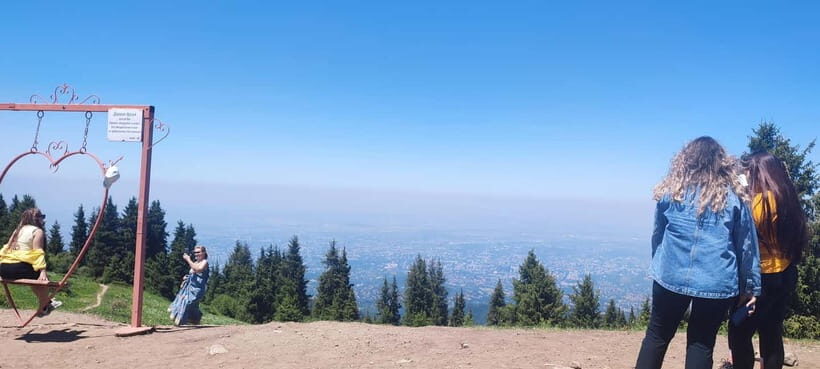
This hike asks for basics done well. Bring the items listed for a reason: the terrain and weather in mountain areas can change fast.
Pack:
- Hiking shoes you trust on uneven ground
- Hiking pants and outdoor clothing you can layer
- A hat for sun or wind
- Socks you’ve already worn in
- Snacks (you’ll need fuel during long hiking stretches)
- Water (even with included bottles, bring enough for your own pace)
- A T-shirt layer you can handle if you warm up on climbs
Also follow the rules: no alcohol and drugs. Keep it simple and stay focused on the walk.
One practical tip: if your shoes feel even slightly “off” before the hike, fix it now. A long day with climbing is not the time to test new laces.
Safety and fit: who should (and shouldn’t) attempt this hike
This is tagged as a moderate difficulty hiking tour for experienced hikers only. It also has a long list of people for whom it is not suitable: children under 14, pregnant women, wheelchair users, people with back or heart problems, epilepsy, diabetes, people with a cold, visually impaired people, and anyone who has altitude sickness risk.
There are also limits you should take seriously: a weight cap of 110 kg (243 lbs), age up to 70, and high blood pressure or low fitness levels are listed as not suitable. That isn’t them being picky. It’s them matching the trail’s demands to the right bodies.
Altitude is another factor to think about. The hike includes higher elevation exposure, so if you know altitude makes you feel unwell, treat that as a clear warning sign rather than a challenge.
If you are healthy, fit, and you have real hiking experience, this tour can be a fantastic day. If you’re even a little unsure, choose a gentler route and keep the mountain experience fun.
Getting the most from your guide and your group
This is a private group. That’s good for two reasons. First, you’re more likely to get pacing that fits your comfort level. Second, you can ask questions without feeling rushed.
Guides speak English, German, Russian, and Kazakh, which is handy in a multi-national group. The meeting process is straightforward: your guide will wear an Incredible Kazakhstan badge, and they’ll contact you one day before the hike to confirm details using a mobile number on WhatsApp, Telegram, or WeChat.
That last part matters because it reduces uncertainty. On a mountain day, clarity beats stress.
And based on real feedback, the guide approach is often the difference between a hard hike that feels fair and a hard hike that feels punishing. In one recent experience, Ilyas was praised for patience and for encouraging hikers through tougher sections while adjusting to the group’s needs.
Should you book Three Brothers Peak and Kok Zhailyau?
Book it if you want a guided, goal-based mountain day with real climbing, strong payoff views, and a route that mixes effort with breaks. It’s a great choice for hikers who are comfortable with steep terrain and who enjoy long scenic days rather than quick photo stops.
Skip it (or switch to a gentler option) if you are looking for an easy walk, if you need wheelchair access, or if any listed health or altitude concerns apply to you. Also skip if your fitness level is low right now. The mountain does not negotiate.
If you do book, come prepared: sturdy shoes, snacks, layers, and a calm pace. This is the kind of hike where you earn the view, and the best moments happen when you stop fighting the trail and start reading it.
FAQ
How long is the Three Brothers Peak and Kok Zhailyau tour?
The duration is listed as 10 hours.
What is included in the price?
Included items are roundtrip transportation from your hotel in Almaty, an English-speaking mountain guide, and bottled water and lemonade for each participant.
Is lunch included?
No. Lunch is not included.
What languages are guides available in?
The tour guide languages listed are English, German, Russian, and Kazakh.
Who can join this hike?
Participation is restricted to people above 14 years old. The tour is also noted as not suitable for various conditions including pregnancy, back problems, heart problems, epilepsy, diabetes, and a long list of other accessibility and health limitations.
Where is the meeting point and how do I find the guide?
The meeting point is Abay Ave 50. The guide will wear an Incredible Kazakhstan badge, and you should provide a mobile number that can be reached via WhatsApp, Telegram, or WeChat.