REVIEW · ALMATY
Tour in Central Asia Five Stan’s
Book on Viator →Operated by MinzifaTravel · Bookable on Viator
Five Stans in one run sounds wild. It is wild, in a good way: you get Charyn Canyon rock drama, then finish with Ichan Kala old-city magic in Khiva. I like that the trip pairs big-name Silk Road sights with real time in remote Kyrgyz nature, not just quick photo stops. One possible drawback: the pace is full-on, with lots of driving legs, several domestic flights, and border formality days.
I also like how MinzifaTravel runs the logistics with a small group (up to 12) and organized meet-and-transport. In past trips, the help credited to Karina and Kamilla has included hands-on support for tougher steps like the Tajikistan visa, and guides such as Raykhona and Alimardan have been named for clear explanations and smooth service. If you’re hoping for a slow vacation with lots of free time, this is not that kind of trip.
In This Review
- Key highlights to watch for
- Entering Almaty and the canyon road out
- Kaindy and Kolsai: the lake day that earns its place
- Bishkek and Issyk Kul: the shore shift across Kyrgyzstan
- Felt carpets, Moldo-Ashu Pass, and Son Kul’s slow rhythm
- Border days and Uzbekistan’s first tastes: Margilan to Kokand
- Into Tajikistan: Khujand and Dushanbe, plus Hissar Fortress
- Sarazm’s proto-urban story, then Samarkand’s big guided day
- Bukhara by train: classic Silk Road city time
- Turkmenistan’s Ashgabat monuments, Darwaza’s gas crater, then border shift
- Khiva’s Ichan Kala: the UNESCO old-city payoff
- Tashkent wrap-up: last guided blocks and an easy finish
- Price and logistics: is $3,290 good value?
- Who should book this tour
- Should you book this tour?
- FAQ
- What is the duration of the tour?
- How large is the group?
- Is pickup offered?
- What fitness level do I need?
- Is free cancellation available?
- Where does the tour start and end?
Key highlights to watch for
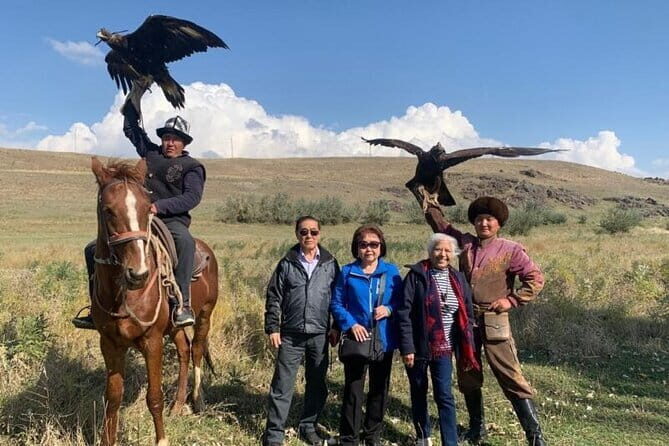
- Charyn Canyon + Saty village: a nature day that feels like a reset after city time
- Kaindy and Kolsai lakes: pine-forest scenery with altitude at Kaindy
- Kyrgyz passes and felt-carpet time: a hands-on culture stop in the mountains
- Samarkand and Bukhara with real guided city time: the classic stops done thoughtfully
- Ashgabat to Darwaza to Khiva: jump from modern monuments to a gas crater, then back to UNESCO old-city lanes
Entering Almaty and the canyon road out

You start in Almaty, and the trip keeps things practical right away. On arrival, you’re met at the airport by a driver holding a Minzifa Travel sign, then transferred to your hotel for check-in and a reset day. It’s a small but important touch when you’re arriving after a long flight.
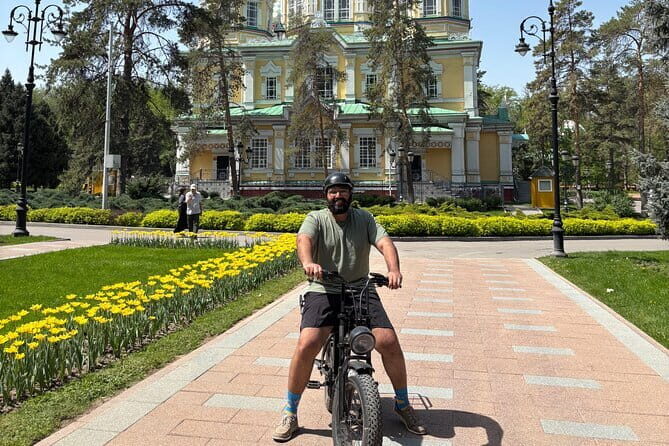
Almaty Day 2 is a city orientation with a guided sightseeing block in the late morning. You’ll hear the quick political history too: Almaty was Kazakhstan’s capital from 1991 to 1997, and when the capital moved to Nur-Sultan in 1997, Almaty shifted into its current role as the country’s south hub.
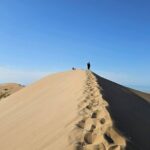
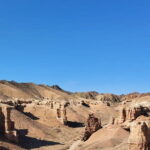
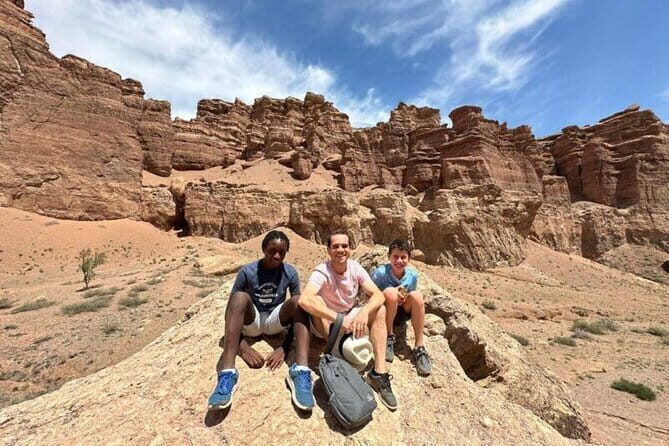
Then the trip changes tone. Day 3 is out on the road to Charyn Canyon, via the Huns Ethno village. That stop matters because it frames the area beyond views: you’re introduced to traditional lifestyle routines before you head to the canyon and into Saty village for the night. If you only cared about scenery, you’d still have a great day. But this structure makes the day feel more like understanding a place.
What to expect: long stretches in the car, then a proper nature payoff.
My tip: wear layers. Canyon days can shift from mild to cool fast, even when the city feels warm.
You can also read our reviews of more tours and experiences in Almaty.
Kaindy and Kolsai: the lake day that earns its place
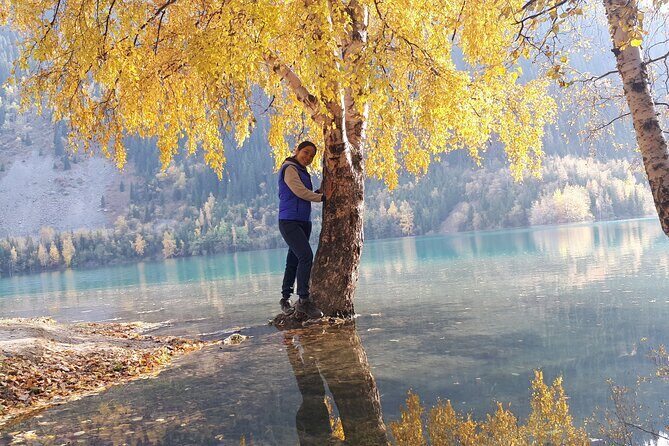
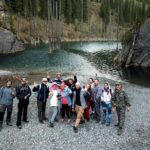
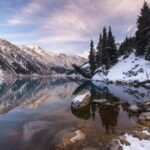
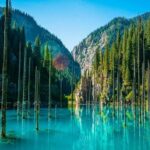
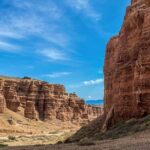
Day 4 focuses on two high-impact lakes: Kaindy first, then Kolsai. You drive 15 km to Kaindy Lake, described as sitting at about 2,000 meters in a pine forest. That altitude detail isn’t just trivia; it’s a clue that the air can feel sharper and the light can be dramatic.
Kaindy is followed by Lake Kolsai, and then you return to Saty village. The big value of this day is balance: you’re not racing between ten attractions. You’re spending your effort on fewer places that are very different from each other.
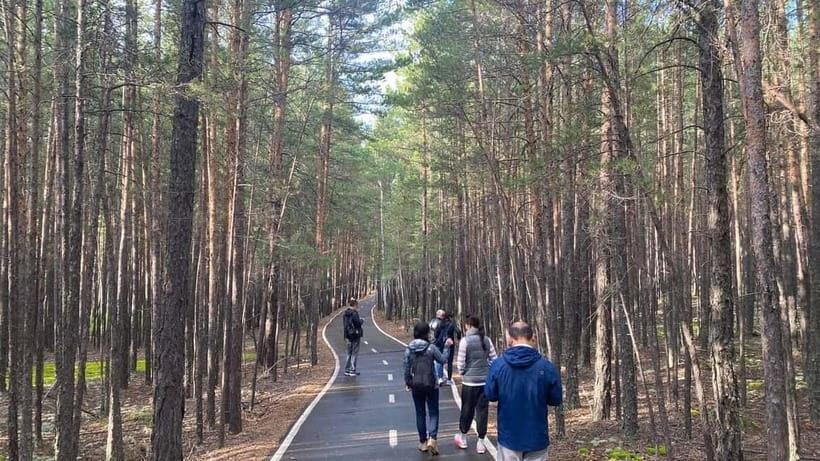
One practical note: these are not city walking tours. Bring shoes you trust on uneven ground, and plan for short hikes rather than flat strolling.
Bishkek and Issyk Kul: the shore shift across Kyrgyzstan
Day 5 moves you from Almaty to Bishkek by plane, which helps cut down time in the air versus adding another long drive. In Bishkek, there’s a short city tour first, built around places like Pobeda Square (Victory Square) and Duboviy Park. The idea is to get your bearings in the capital before you start the Issyk Kul stretch.
Day 6 adds Burana Tower, plus time along Issyk Kul’s northern shore. Burana is a standout stop if you like step-by-step history: it’s not just a monument, it’s a visual marker for the region’s deep layers. After that, the route continues to the Kakarol area.
Then you’ll move to the southern shore for Day 7, with Jeti-Oguz (Seven Bulls Rocks) thrown in. The southern part of Issyk Kul feels different from the north, and that contrast helps the whole Kyrgyz section feel less repetitive. Day 7 also includes a stop in Karakol for the Dungan mosque, built in a Chinese style without using a single metal nail. Even if you’re not a architecture nerd, it’s the kind of detail that makes a place memorable.
Felt carpets, Moldo-Ashu Pass, and Son Kul’s slow rhythm
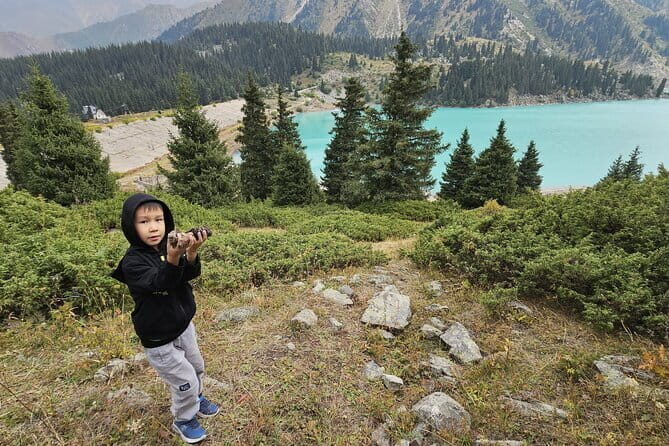
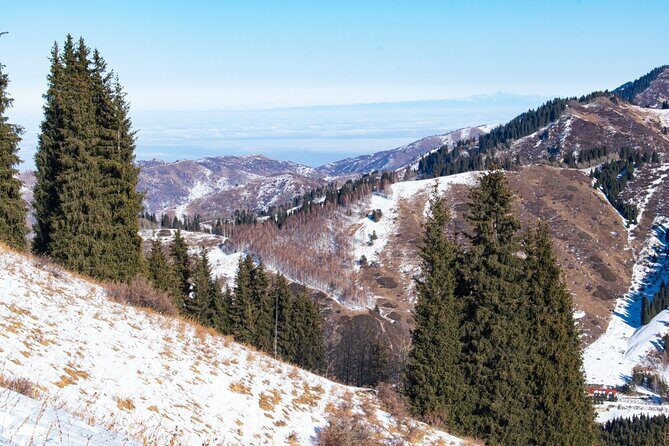
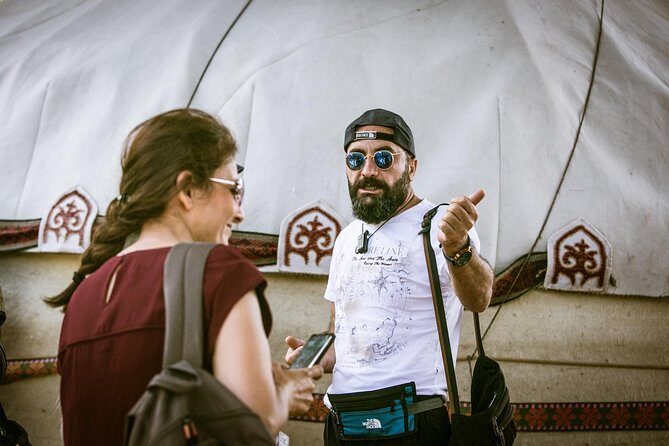
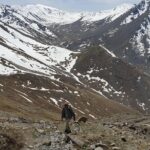
Kyrgyzstan is where this tour starts feeling most like a journey, not just a checklist. Day 8 takes you from Kochkor village over Moldo-Ashu Pass to Son Kul Lake. On the way, there’s a visit to a family connected to felt carpet production. It’s a small cultural stop, but it’s also the kind that helps you understand why Kyrgyz crafts matter: felt-making is practical, local, and tied directly to everyday life in cold seasons.
Day 8 then lands at Son Kul, and Day 9 adds the 33 parrots pass on the way back. You’ll be transferring back toward Bishkek and then flying on to Osh. The rhythm here is intentional: you get your high-mountain moment, then you move on before the route stalls.
What you’ll notice: days 8–9 are about views plus physical movement.
My tip: if you’re sensitive to altitude or long drives, pace your water and take it easy in the morning. The tour is doable, but it does not act like a gentle cruise.
Border days and Uzbekistan’s first tastes: Margilan to Kokand

Day 9 lands you in Kyrgyzstan’s travel corridor toward Osh, and then the big regional shift begins. Day 10 starts with Osh, then drives to the Dustlik border crossing for land entry into Uzbekistan. Border crossings are part of the experience here, and you should plan for slower, paperwork-focused pacing on those days.
Once across, the route includes Margilan, then Rishtan, then Kokand. This sequence gives you a mix of city texture and craft territory. It’s not just about arriving somewhere new; it’s about seeing how the Silk Road economy looks on the ground—workshops, streets, and the everyday geography of towns along the trade routes.
Even if you don’t speak the local languages, you’ll pick up patterns fast: the route feels like you’re moving through a living network, not through staged attractions.

Into Tajikistan: Khujand and Dushanbe, plus Hissar Fortress
Day 11 is another border day, this time moving from Uzbekistan to Tajikistan at the Patar border post. After crossing, you travel toward Khujand and then Dushanbe.
Dushanbe is where you get a strong history-and-culture block. Day 12 includes time at Hissar Fortress, about 35 km away (roughly 40 minutes by car). You tour the fortress and then have lunch back in the day’s flow, staying in the same hotel to keep the logistics simpler.
Day 13 sends you onward to Iskanderkul Lake. It’s known as Alexander the Great lake, and the day is built around the drive (about 140 km, 3 to 3.5 hours) plus lake time and a return. This is the Tajik pause that makes the whole route feel less like only museums and monuments.
My tip: bring something for sun protection and wind. Lake days can switch fast from bright to chilly, especially when clouds roll in.
Sarazm’s proto-urban story, then Samarkand’s big guided day
Day 14 takes you from Sarytag village through Panjakent to the Sarazm proto-urban site, then onward to Samarkand. Sarazm is a stop for people who enjoy early settlement stories—how cities and communities started long before the best-known names took center stage.
Then comes Day 15: a full guided Samarkand city block. You’ll visit Gur-Emir Mausoleum, the Registan Square area, and other key landmarks as part of a concentrated sightseeing day. Samarkand can feel overwhelming on your own. Here, the guided structure helps you understand why each site matters and how the city’s different pieces connect.
What you’ll like if you care about details: the way the day is organized makes it easier to remember what you saw instead of treating it like a photo shoot.
What to watch: this is still a walking-and-standing day, so keep your energy steady.
Bukhara by train: classic Silk Road city time
Day 16 moves you to Bukhara by train, which is a nice break from road travel. After arrival, the plan includes a small excursion about 30 km from Samarkand, centered on a paper factory connected to Cunha Meros—described as a re-created manual production of ancient paper from mulberry trees. It’s a reminder that Silk Road history isn’t only about buildings. It’s also about the materials and tech that kept trade and scholarship moving.
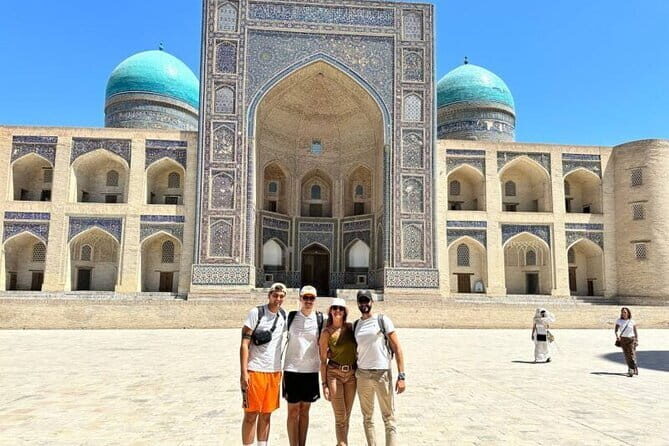
Day 17 is full Bukhara guided time. The stops include the Mausoleum of Ismail Samani, the Chashma Ayub area (the well of Job), and the Bolo House. Day 17 also includes a shaped city experience rather than random wandering.
My tip: when you’re in cities like Bukhara and Samarkand, plan one slower moment. Grab a drink, sit for 10 minutes, and let the surroundings sink in. With a tour schedule, it’s easy to rush past that.
Turkmenistan’s Ashgabat monuments, Darwaza’s gas crater, then border shift
Day 18 transitions from Bukhara toward Turkmenistan. There’s a border crossing into Turkmenistan via Farap, plus the route includes Mary and then flying to Ashgabat. Ashgabat is where the trip shifts toward modern monuments: Independence Park, the Neutrality Arch, and the Turkmenbashi mosque-mausoleum are part of the day.
Day 19 takes you farther out to Darwaza gas crater by car. The drive includes visits to mud and water craters before you reach the crater itself. This is one of those days where the scale feels unreal. You go from curated city time to something more “land meets science” and makes you remember you’re traveling across a region with extreme natural features.
Day 20 continues the pattern: Darwaza to border post Shavat, then crossing back into Uzbekistan and onward to Khiva. Expect paperwork pacing again on those border days.
Khiva’s Ichan Kala: the UNESCO old-city payoff
Khiva is where you get the payoff for the road. Day 21 is guided sightseeing inside Ichan Kala, the UNESCO World Heritage inner city. You’ll have a structured tour of the old city’s lanes and key landmarks, with time built around seeing the core sites.
Day 22 continues with Khiva time and then flying from Urgench to Tashkent. By the end of the day, you’re back in city mode, which makes the transition from remote drives to urban rhythm feel easier.
Ichan Kala is worth paying attention to on foot. It’s packed, so the guidance helps you avoid the common mistake of just wandering without a mental map.
Tashkent wrap-up: last guided blocks and an easy finish
In Tashkent, you’ll have a hotel transfer to leave luggage and then a sightseeing program. Day 23 ends the tour with a transfer to Tashkent International Airport for your departure.
This final stretch is practical because it gives you a calm landing after the earlier border and crater days. You finish with a city overview rather than another long outside excursion.
Price and logistics: is $3,290 good value?
At $3,290 for a roughly 23-day circuit across Kazakhstan, Kyrgyzstan, Uzbekistan, Tajikistan, and Turkmenistan, the value comes from how much is bundled into one plan: airport meets, hotel stays, guided city time in major Silk Road hubs, and multiple transport modes (car, train, and several flights).
The best reason this price can make sense is the mix of effort levels. You’re paying to move through places that are hard to connect on your own without lots of time spent on coordination. Even the transport choices (like flying within Kyrgyzstan and using a train between Samarkand and Bukhara) reduce stress and keep the itinerary from turning into a single long road haul.
Still, you’re not buying a relaxing break. You’re buying a structured route with border formalities and long travel days. If you want days with lots of free time, you may feel the schedule too tight.
Who should book this tour
This works well for you if:
- you want one organized route through five countries without building logistics yourself
- you like a mix of cities plus real nature days (canyon, lakes, mountain passes)
- you can handle a moderate fitness level and lots of seat time
It may feel like too much if:
- you want minimal driving and minimal border paperwork
- you’re sensitive to long standing/walking days in historic centers
Should you book this tour?
If your goal is a once-in-a-lifetime Central Asia circuit that connects major Silk Road cities with Kyrgyz high-country time and Turkmenistan’s unusual natural stops, this is a strong match. The small group size, the pickup structure, and the presence of named support people (Karina and Kamilla have been credited for keeping hard steps moving, while guides like Raykhona and Alimardan have been named for guidance) point to an operation that cares about how the trip runs day to day.
My decision rule: book it if you’re excited by the idea of moving often, seeing a lot, and letting local guidance help you make sense of each place. Pass if you’d rather slow down and repeat fewer regions.
FAQ
What is the duration of the tour?
The tour is about 23 days.
How large is the group?
The maximum group size is 12 people.
Is pickup offered?
Yes, pickup is offered.
What fitness level do I need?
You should have a moderate physical fitness level.
Is free cancellation available?
Yes. You can cancel up to 24 hours in advance for a full refund.
Where does the tour start and end?
It starts in Almaty (Almaty Airport) and ends in Tashkent (Tashkent International Airport).