REVIEW · NUR SULTAN
Tour to Korgalzhyn: Flamingo and Wild Fauna Nature Reserve
Book on Viator →Operated by Astana Horizons · Bookable on Viator
Flamingos are the headline, but the steppe steals the show. This Korgalzhyn outing mixes a reserve museum with serious birdwatching and salt-lake scenery about 130 km from Astana, plus a Kazakh lunch you’ll actually remember. One possible drawback: when roads get muddy, getting close enough for flamingos can be tricky.
The part I especially like is the way the day is guided. You’re not just dropped at viewpoints; you’re taught what you’re seeing, and that turns a few distant birds into a real nature lesson. The second thing I like is the lunch stop: eating Kazakh food in a local home, with traditional music in the background, adds heart to the trip and breaks up the long drive.
In This Review
- Korgalzhyn Tour at a Glance: What Matters Most
- From Nur-Sultan to Korgalzhyn: The Drive Sets the Tone
- Korgalzhyn Village and the Reserve Museum: Start With Context
- Freshwater Lake Birdwatching: Where Binocular Time Pays Off
- The Salty Lake Flamingo Zone: Why the Best Sightings Depend on Conditions
- If You Spot Saiga, Here’s How to Enjoy It Without Chasing
- Lunch in a Kazakh Home: Comfort Food With Local Texture
- Timing, Wear, and the Small Practicalities That Save Your Day
- Price and Value: Does $199 Make Sense for Korgalzhyn?
- Who This Tour Suits Best (And Who Might Want Alternatives)
- Should You Book the Korgalzhyn Flamingo and Wild Fauna Tour?
- FAQ
- How long is the Korgalzhyn Flamingo and Wild Fauna nature reserve tour?
- Where does the tour take place?
- Is pickup available and is the tour private?
- What will we do during the day?
- Is lunch included, and what is it like?
- Is binocular viewing part of the experience?
- When does the tour operate?
Korgalzhyn Tour at a Glance: What Matters Most
- Museum first, then field time so you understand the reserve before you start spotting birds
- Freshwater birdwatching at a smaller lake with binocular viewing
- Salty lake flamingo habitat in warmer months, with the chance for big wildlife surprises
- Possible saiga spotting if conditions and luck line up
- Lunch in a local Kazakh house with traditional food and music
- Private group feel with pickup offered and a mobile ticket for easy access
From Nur-Sultan to Korgalzhyn: The Drive Sets the Tone
This is a longish day that starts with a transfer from Nur-Sultan (Astana area). The ride to Korgalzhyn is about 1.5 hours, and the overall trip is roughly 6 to 8 hours. That timing matters, because it shapes what kind of trip this is: it’s not a quick stopover. You’re trading city convenience for big-sky nature and a slower, outdoorsy pace.
The reserve area itself is all about wide horizons and wildlife rhythms. Even before you reach the main lakes, the scenery gives you context: this is a place where animals move with the seasons, not with tourist schedules. Expect a “watch and learn” day more than a “race from attraction to attraction” day.
You’ll also want to think about weather. This activity runs between 8:00 AM and 7:00 PM during the listed season dates, and the experience notes that it requires good weather. In practice, that means your best bird opportunities depend on conditions on the ground—especially the roads.
You can also read our reviews of more tours and experiences in Nur Sultan.

Korgalzhyn Village and the Reserve Museum: Start With Context
You begin in the village of Korgalzhyn, with a stop at the local reserve museum. This is a smart setup. Before you chase birds, the guide gives you the background: how the reserve developed and how the fauna and flora fit together. It’s the kind of explanation that helps when you’re looking at silhouettes far out on the water.
This museum segment is not just “history for history’s sake.” It’s useful because it trains your eye for what matters later. When you know what species the reserve protects and why, you spot details you’d otherwise miss. You also get the big-picture story of the area, so the wildlife isn’t just random sightings. It becomes a living system.
Then you move back toward Korgalzhyn village for lunch later, but the museum sets the day’s rhythm: learn, then look, then compare what you learned with what you see.
One practical tip: treat the museum time like part of the wildlife tour. Ask questions if anything is unclear. Guides here are set up to explain both the biology and the reserve context in plain language, which helps a lot when you don’t already know steppe ecology.
Freshwater Lake Birdwatching: Where Binocular Time Pays Off
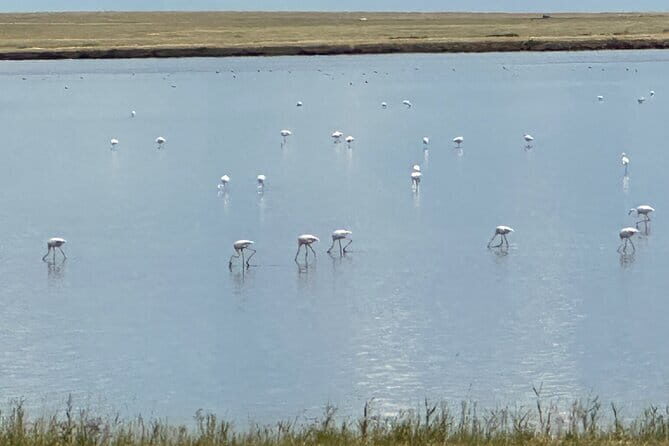
After the museum, you head to the Korgalzhyn State Nature Reserve, about a 30-minute ride from the village area. Your first wildlife stop is at a smaller freshwater lake. This is where you start stacking sightings.
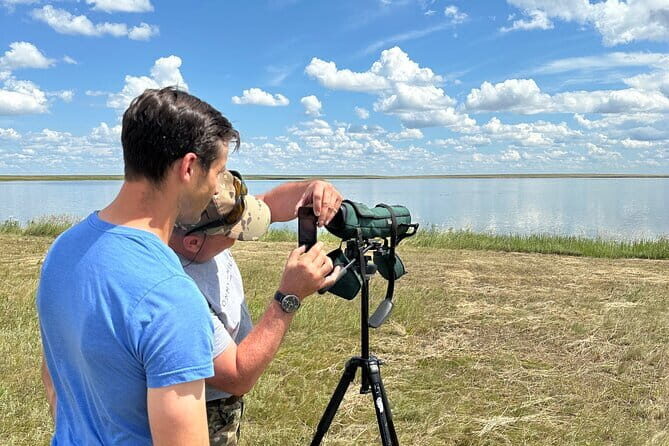
The key here is the birdwatching setup: you’re observing through binoculars, and that changes everything. With binocular viewing, you’re not relying on the tiny details you can barely see with the naked eye. It turns distant motion into identifiable shapes and behaviors, which is what makes a reserve visit satisfying.
What you might notice at this stage is variety. The reserve is known for waterbirds, and your guide’s explanations can help you sort out swans, ducks, and other birds you might spot around the lake. The value of this stop is that it’s not all about one species. Even if a main attraction is delayed, you’re still actively hunting for birds and learning from the guide.
A small drawback is that this kind of stop is time-limited. You’ll want a few extra minutes to really lock in what you’re seeing, but this stop is designed to lead into the bigger salt-lake moment.
If you’re the type who likes taking photos, don’t expect perfect results. Early on, the goal is recognition and observation, not studio-level shots. Your best photos will likely come from moments when a bird shifts toward open water.
The Salty Lake Flamingo Zone: Why the Best Sightings Depend on Conditions
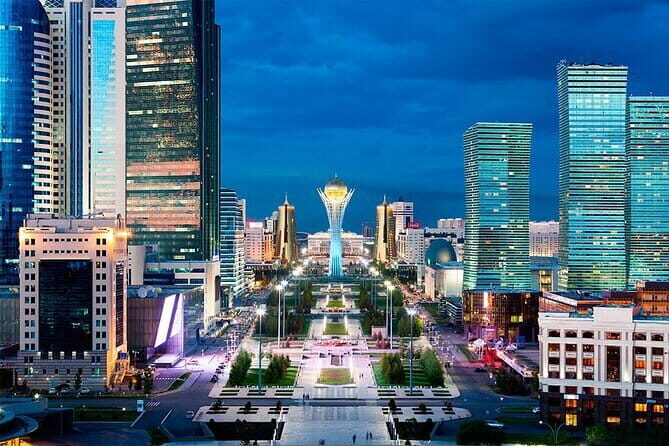
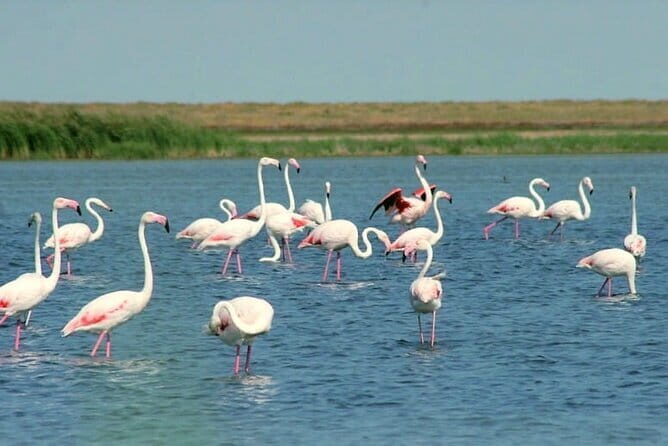
Then comes the headline: the expansive salty lake, a sanctuary for flamingos in warmer months when they nest and rear young. This is the part most people come for, because flamingos have that instantly recognizable look—long legs, curved necks, and that slow, deliberate way they stand and move.
But here’s the honest part you should know: your success isn’t guaranteed. The experience can be affected by access. One of the biggest frustrations reported in similar outings is missing flamingos when the approach is blocked by impassable muddy roads. That doesn’t mean the day is a waste; it means you should treat flamingo sightings as a possibility, not a promise.
The good news is that the flamingo habitat is still fascinating even if the birds are out of reach. You’re watching a salty-lake ecosystem, and your guide can explain what you’re seeing and why these places matter for breeding cycles. When conditions are right, you may also spot other waterbirds in the mix—so the lake isn’t just a waiting game.
This is also where you can get lucky with the saiga. The tour includes a chance to encounter a herd of saiga antelope, an endemic steppe species. Saiga spotting is never something you can force, but you’ll often notice more movement around the edges of habitats when animals are near. If your guide cues you to watch for signs like tracks or distant movement, take it seriously.
If You Spot Saiga, Here’s How to Enjoy It Without Chasing
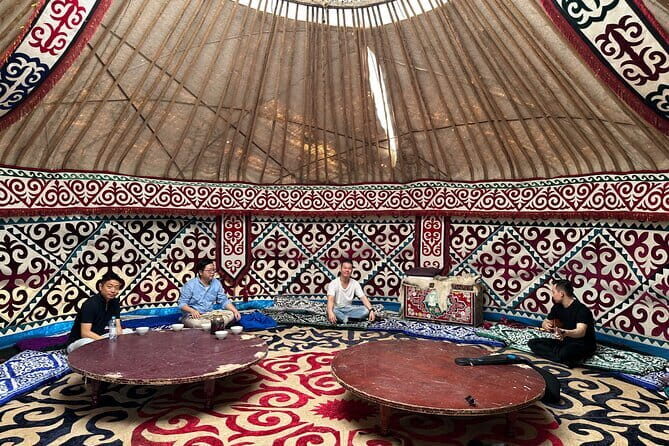
Saiga sightings, when they happen, tend to be a “pause and watch” moment. Don’t sprint for a better angle. Give the guide a second to position you safely and at a respectful distance. If you rush, you’ll miss the behavior cues that tell you whether a herd is calm enough to reveal more than a quick glimpse.
What I’d suggest: keep your attention flexible. If the guide says to scan a certain direction, do it smoothly with binoculars rather than constantly turning your head. Animals in open country respond to movement and noise, so the best approach is quiet focus.
Even if you don’t see saiga, you’ll still leave with something real: a sense of how the reserve protects species tied to steppe and lake systems. The museum background helps here, because you’ll know what you’re looking for and why it matters.

Lunch in a Kazakh Home: Comfort Food With Local Texture
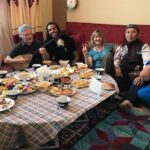
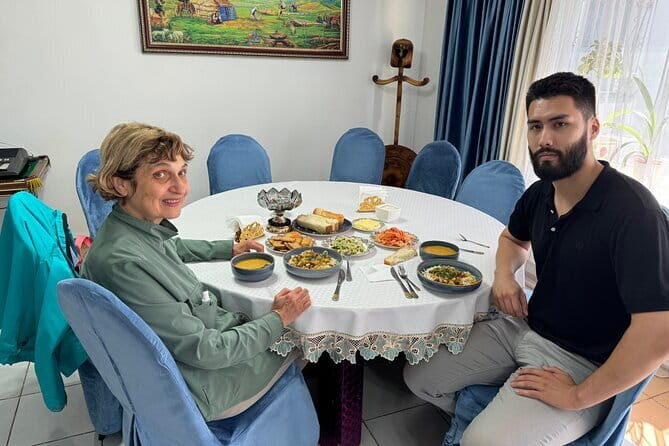
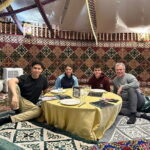
After the reserve time, the day returns to Korgalzhyn for lunch. This isn’t a buffet in a generic restaurant. You eat in the home of a local host, with authentic Kazakh cuisine and traditional music from Kazakh instruments in the background.
That detail changes the feel. In a home setting, the food often comes with context: you’re more likely to understand what you’re eating and how it fits local life. It also breaks up the long day in a good way—less “travel fatigue,” more “shared moment.”
The kind of lunch you can expect here is hearty and made for hospitality, not speed. Since the tour timing is built around reserve viewing, lunch is a reset: you sit, you warm up (if needed), and you reflect on what you just saw.
If you have dietary restrictions, the tour data doesn’t specify meal customization, so it’s worth checking directly when you book. The best outcome is always making sure the host can accommodate your needs.
Timing, Wear, and the Small Practicalities That Save Your Day

This tour is designed around a few fixed stops, but you still control how comfortable you are in the field. Since birdwatching happens around lakes and the area can have muddy road access, your clothing choices matter.
Wear layers. Even if it starts mild, your time outside in open country can cool down fast. Bring something with a hood or a light rain layer, because “good weather” doesn’t always mean “no wind.”
Shoes are the big one. Choose something you can walk in confidently. If conditions are wet or the ground is uneven, your feet will tell you quickly whether you picked wisely.
Also plan your attention. A reserve visit is not about speed. It’s about the slow payoff of seeing patterns: bird behavior, habitat shape, and the way animals use waterlines. If you try to do it like a checklist, you’ll feel rushed. If you treat it like watching a nature documentary in real life, you’ll get more out of every stop.
Finally, the guide is part of the value. In the best cases, the guidance is described as both warm and funny, with strong explanations of biology and reserve history. That combination makes the day feel human, not robotic.
Price and Value: Does $199 Make Sense for Korgalzhyn?
At $199, you’re paying for a full guided day that includes transportation, museum entry, reserve access time, and lunch in a local home. You’re also getting a private group setup, meaning it’s tailored to your group rather than a big cattle-call.
Does that price fit what you’re buying? I think it can, especially if you care about more than just scenery. The value is in the interpretation: the guide helps you identify birds, understand how the reserve works, and connect what you see at the freshwater lake and salt lake back to the museum context.
If flamingos are blocked due to road conditions, the day’s “main headline” can shrink. But you’re not left with nothing: you still have birdwatching earlier, and the lunch and museum stop keep the day structured. This is why I’d position this tour as a nature-and-culture experience first, with flamingos as the bonus.
Also keep in mind that it’s a seasonal outing in the listed window. If you match the time of year and the weather, the odds of a great day go up.
Who This Tour Suits Best (And Who Might Want Alternatives)
This works best for you if you want:
- a guided introduction to the Korgalzhyn reserve system
- birdwatching with binocular time, not just quick photo stops
- a cultural lunch inside a Kazakh home
- a private group day trip feel from Nur-Sultan/Astana
It may be less ideal if you need long, free roaming time in the reserve. The experience is structured, and the reserve time is not described as a long trek or extended hike. If your dream is hours of walking with no schedule pressure, you might prefer a different style of excursion.
Also, if you’re extremely set on seeing flamingos no matter what, be aware of access risk. You’re going to a real landscape where conditions can change fast. Treat it like a chance, not a guarantee.
Should You Book the Korgalzhyn Flamingo and Wild Fauna Tour?
I’d book it if you’re excited by the combo: wildlife education + binocular birdwatching + Kazakh home lunch. The museum start and guided explanations are the kind of foundation that makes reserve trips worthwhile, even when the most famous birds don’t cooperate.
I’d think twice if your plan depends on a sure flamingo sighting at a specific angle. Muddy roads and access issues can happen, and that can limit how close you get. If that risk will annoy you, plan mentally to enjoy the birds and the reserve story even if flamingos are distant or missed.
If you do book, choose the timing carefully within the operating dates and aim for the best weather day you can. Bring practical shoes and layers. And when the guide points out what to look for, give your full attention—this tour rewards that.
FAQ
How long is the Korgalzhyn Flamingo and Wild Fauna nature reserve tour?
The duration is about 6 to 8 hours.
Where does the tour take place?
The tour is based in Nur-Sultan, Kazakhstan, with a drive to the Korgalzhyn area and Korgalzhyn State Nature Reserve.
Is pickup available and is the tour private?
Pickup is offered, and it’s a private tour/activity where only your group participates.
What will we do during the day?
You visit the Korgalzhyn reserve museum, then spend time at the reserve for birdwatching at a freshwater lake and at a salty lake where flamingos may be present. With luck, you may see saiga antelope, and you finish with lunch in a local Kazakh home.
Is lunch included, and what is it like?
Lunch is included. It’s described as traditional Kazakh cuisine served in the home of a local host, with traditional Kazakh instrument music.
Is binocular viewing part of the experience?
Yes. Birdwatching is described as being done through binoculars at the lake stops.
When does the tour operate?
The listed opening hours are 8:00 AM to 7:00 PM, during 04/01/2025 to 09/20/2025.